

Dental veneers are a popular cosmetic dentistry option for people who want to improve the appearance of their smile. They can help address concerns such as discoloured teeth, small chips, uneven edges, gaps, and certain minor irregularities in tooth shape. For international patients, choosing dental veneers in Armenia may offer an opportunity to combine dental treatment with a carefully planned visit.
However, cosmetic dentistry involves more than selecting a shade and creating a new smile. The condition of the teeth, gum health, bite, material selection, and experience of the dental professional all influence the treatment plan.
Through VAROSYAN MED TOURS, international patients can explore dental treatment options in Armenia and receive support with coordinating consultations, appointments, and travel arrangements.
This guide explains the main types of dental veneers, how the treatment process works, what can influence the cost, and what patients should consider before travelling to Armenia for cosmetic dental care.
Why Consider Dental Veneers in Armenia?
Armenia is an option for international patients researching dental treatment abroad. Patients may consider treatment in the country because of its location, accessibility from several regional destinations, and the possibility of coordinating dental appointments with travel plans.
The suitability of Armenia for a particular patient depends on their treatment requirements, available providers, budget, and expectations.
Before selecting a clinic, patients should evaluate several factors.
Individual treatment planning
Veneers should be planned according to the patient's natural teeth, facial features, gum condition, and desired outcome. A qualified dentist should examine the teeth and discuss realistic results before treatment begins.
Material options
Dental veneers can be made from different materials, including porcelain and composite resin. Each option has its own advantages, limitations, maintenance requirements, and cost considerations.
Communication and coordination
International patients may need assistance arranging consultations, understanding treatment schedules, and organising accommodation or transportation. A medical tourism coordinator can help with logistics, while clinical decisions remain the responsibility of the treating dental team.
Combining treatment with travel
Some patients choose to explore Armenia during their visit. However, sightseeing should not interfere with appointments, recovery instructions, or follow-up examinations.
For more information about travelling for treatment, read our guide to dental tourism in Armenia.
What Are Dental Veneers?
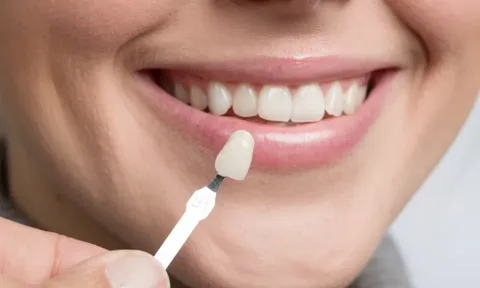
Dental veneers are thin coverings placed on the visible surfaces of teeth to change their appearance. They are commonly used in cosmetic dentistry to improve tooth colour, shape, proportions, and the appearance of selected gaps or irregularities.
Veneers are usually designed for the front teeth, although the exact treatment area depends on the patient's goals and clinical needs.
They may help address:
- Teeth with persistent discolouration that does not respond adequately to whitening.
- Small chips or worn edges.
- Minor differences in tooth shape or size.
- Selected gaps between teeth.
- Mild irregularities in the appearance of the front teeth.
- Uneven colour or visible defects in tooth enamel.
Veneers are not suitable for every patient. Extensive tooth decay, active gum disease, severe bite problems, or significant tooth damage may require other treatment before cosmetic procedures can be considered.
A dentist should determine whether veneers are appropriate after an examination.
Types of Dental Veneers Available
The two commonly discussed veneer options are porcelain veneers and composite veneers. The most appropriate choice depends on the condition of the teeth, aesthetic goals, budget, and willingness to maintain the restorations.
Porcelain veneers
Porcelain veneers are custom-made restorations designed to cover the front surfaces of teeth. They are typically produced in a dental laboratory or using an appropriate digital manufacturing workflow.
Potential benefits include:
- A natural-looking appearance when properly designed.
- Good resistance to surface staining compared with many composite materials.
- The ability to customise colour, shape, and translucency.
- A treatment plan tailored to individual teeth.
Porcelain veneers generally require careful preparation and may involve removing some enamel. The amount varies according to the tooth position, planned shape, and chosen technique.
Because enamel removal is often irreversible, patients should understand the implications before agreeing to treatment.
Composite veneers
Composite veneers use tooth-coloured resin material applied directly to the teeth or fabricated using a suitable indirect technique.
Potential benefits include:
- The possibility of completing treatment in fewer appointments.
- Generally lower initial costs than porcelain veneers.
- The ability to repair or modify the material in some cases.
- Less extensive preparation for certain patients.
Composite materials can be more susceptible to staining, surface wear, and chipping than porcelain. Their maintenance requirements depend on the material, the patient's habits, and the quality of the restoration.
How should you choose between porcelain and composite veneers?
There is no single option that is right for everyone. Porcelain may be suitable for patients seeking custom-made restorations with particular aesthetic characteristics, while composite may be appropriate for selected cases where a more conservative or lower-cost approach is preferred.
Your dentist should explain the expected lifespan, maintenance, preparation requirements, and alternatives for each option.
Are You a Suitable Candidate for Dental Veneers?
A consultation is necessary to determine whether veneers are appropriate for your teeth and oral health.
You may be a potential candidate if you have generally healthy teeth and gums and want to improve specific cosmetic concerns.
Before treatment, a dentist will typically assess:
- The condition of your enamel.
- Existing fillings, crowns, or other restorations.
- Gum health and signs of inflammation.
- Tooth alignment and bite.
- Signs of grinding or clenching.
- The amount of visible tooth structure.
- Your expectations and desired appearance.
When might veneers not be the first choice?
Veneers may not be the most appropriate initial treatment if you have untreated decay, active gum disease, severe misalignment, or significant tooth damage.
Patients who grind their teeth may also have an increased risk of veneer damage. A dentist may recommend addressing the underlying issue or considering a protective night guard where appropriate.
If the main concern is tooth colour, professional whitening may provide a less invasive alternative. If teeth are significantly misaligned, orthodontic treatment may be worth discussing before cosmetic restorations.
The objective should be to select a treatment that addresses the underlying concern while preserving as much healthy tooth structure as possible.
What Happens During a Dental Veneer Consultation?
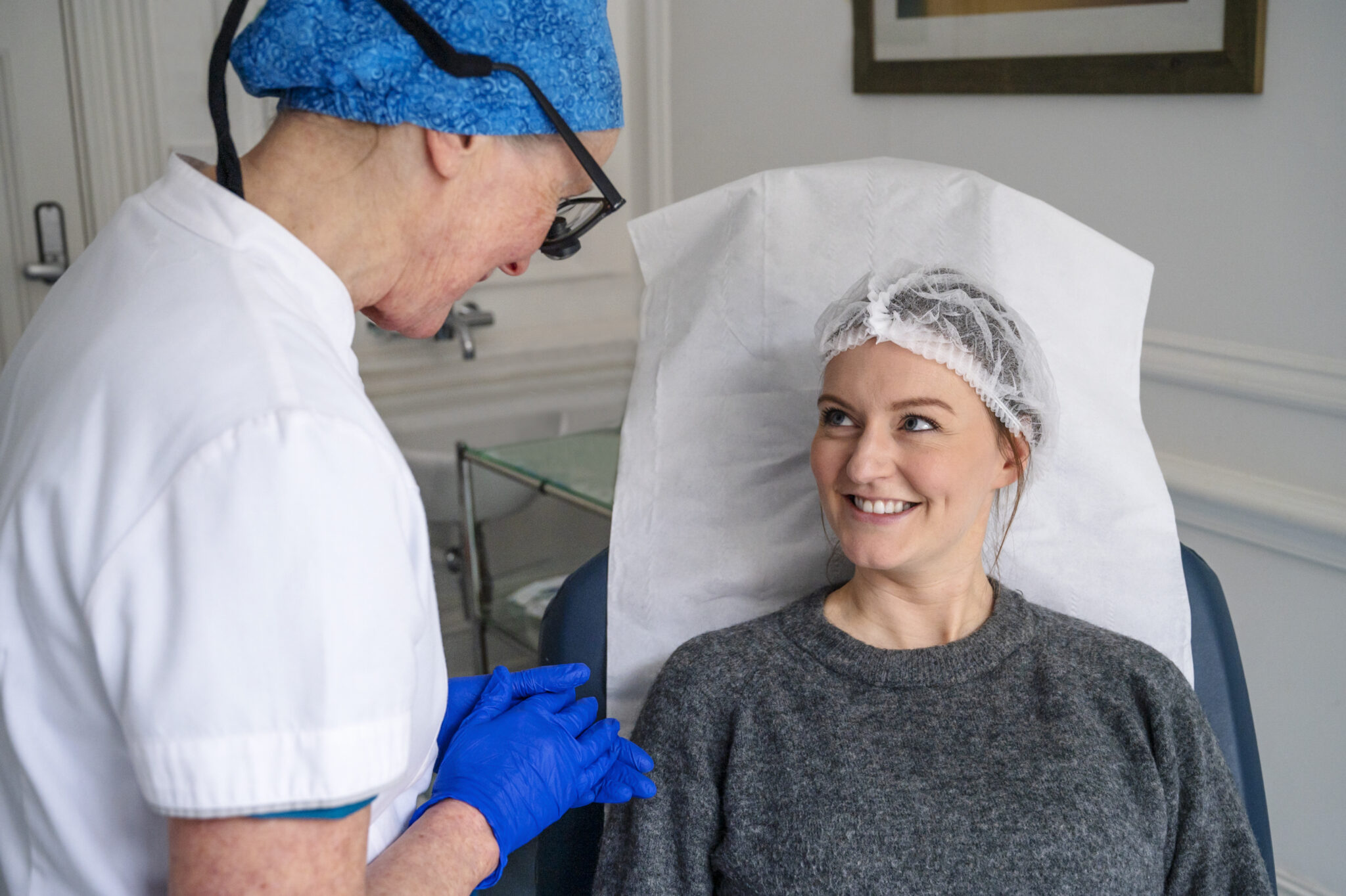
The consultation is one of the most important stages of the process, particularly for patients travelling from another country.
The dentist should evaluate your oral health, understand your expectations, and explain the treatment options before finalising a plan.
Step 1: Dental examination
The dentist examines your teeth, gums, bite, and existing restorations. Dental X-rays or other diagnostic procedures may be recommended if clinically necessary.
Step 2: Smile assessment
You discuss what you would like to change. This might include tooth colour, length, shape, symmetry, or gaps.
Photographs, digital scans, impressions, or a mock-up may be used to help plan the proposed appearance.
Step 3: Treatment recommendations
The dentist explains whether porcelain veneers, composite veneers, whitening, orthodontics, bonding, or another option is suitable.
You should also receive information about preparation, risks, maintenance, and the expected number of appointments.
Step 4: Cost and scheduling
Before treatment begins, request an itemised estimate and a schedule that accounts for laboratory production, fitting, adjustments, and any required follow-up visits.
International patients should clarify which steps can be completed remotely and which require an in-person examination.
The Dental Veneer Procedure: Step by Step
The exact procedure depends on the type of veneer and the patient's clinical needs. Porcelain veneers often involve more than one appointment, while some composite veneer treatments can be completed in a single visit.
Initial preparation
If porcelain veneers are selected, the dentist may remove a small amount of enamel to create room for the restorations. Some cases may allow more conservative preparation, but this cannot be guaranteed for every patient.
The dentist may take impressions or digital scans and select the shade and shape of the planned veneers.
Temporary restorations may be provided when needed.
Laboratory fabrication
Custom porcelain veneers are produced according to the dentist's specifications. The timeline depends on the laboratory workflow, material, and complexity of the case.
This stage is particularly important for international patients because laboratory production may affect how long they need to remain in Armenia.
Veneer fitting
When the veneers are ready, the dentist checks their fit, colour, shape, and relationship with the surrounding teeth.
Adjustments may be necessary before the restorations are bonded in place. Once the dentist confirms that the veneers are suitable, they are attached using dental bonding materials.
Final checks
The dentist checks the bite and makes any necessary adjustments. You should receive instructions about oral hygiene, eating habits, and follow-up care.
Do not assume that a planned treatment can always be completed in a fixed number of days. Your dentist should confirm the schedule after evaluating your case.
How Much Do Dental Veneers Cost in Armenia?
The cost of dental veneers in Armenia varies according to the material, number of teeth treated, complexity of the case, and clinic's pricing structure.
Porcelain veneers and composite veneers usually have different price ranges. Additional procedures, such as treating gum disease, replacing old restorations, or addressing bite problems, can also affect the total cost.
When requesting a quote, ask the clinic to clarify:
- The price per tooth.
- The total number of veneers included.
- The material and laboratory costs.
- Whether consultation and diagnostic examinations are included.
- Whether temporary veneers are required and included.
- Whether adjustments or follow-up appointments are included.
- Whether additional treatment is likely to be needed.
- The payment schedule and cancellation policy.
For international patients, the overall budget should also account for flights, accommodation, local transportation, meals, and possible additional nights if treatment takes longer than expected.
Our guide to medical treatment costs in Armenia explains other financial considerations when planning healthcare abroad.
Why the cheapest quote may not be the most suitable
A low initial price does not necessarily indicate poor treatment, just as a high price does not automatically guarantee quality.
Instead of comparing prices alone, compare the proposed treatment plans. One quote may include diagnostic procedures, temporary restorations, and follow-up care, while another may exclude them.
Ask who will perform the treatment, what materials will be used, how the dentist handles complications, and what happens if adjustments are required after you return home.
How Many Veneers Do You Need?
The number of veneers depends on how many teeth are visible when you smile, the extent of the cosmetic concern, and the condition of your existing teeth.
Some patients need only one or two veneers to improve individual teeth. Others may consider treatment involving several front teeth to create a more consistent appearance.
The dentist should recommend the number based on clinical need rather than automatically suggesting veneers for every visible tooth.
It is also important to consider how the treated teeth will look alongside untreated teeth. Colour, shape, and translucency should be planned carefully to achieve a balanced result.
How Long Do Dental Veneers Last?
Dental veneers can last for many years, but their lifespan varies according to the material, quality of placement, oral hygiene, bite forces, and everyday habits.
Porcelain veneers often have good long-term durability when properly planned and maintained. Composite veneers may require more frequent polishing, repairs, or replacement, depending on their condition.
Neither option should be considered permanent.
To help protect your veneers:
- Brush twice daily with a soft-bristled toothbrush.
- Clean between your teeth every day.
- Attend regular dental check-ups.
- Avoid biting hard objects such as ice or pens.
- Do not use your teeth to open packaging.
- Discuss teeth grinding with your dentist.
- Follow any recommendations for a protective night guard.
- Contact your dentist if a veneer becomes loose, chipped, or uncomfortable.
A veneer does not prevent decay from developing in the underlying tooth. Good oral hygiene and routine professional care remain essential.
Recovery After Dental Veneers
Recovery depends on the type of treatment and the amount of tooth preparation involved.
Some patients experience temporary sensitivity to hot or cold foods after veneer placement. Mild gum tenderness may also occur. These symptoms should be discussed with your dentist, particularly if they persist or become more severe.
Your dentist may recommend temporarily avoiding very hard foods and following specific instructions while you adjust to the restorations.
Contact the treating clinic if you experience persistent pain, significant discomfort when biting, swelling, or a veneer that feels loose or broken.
When can you return to normal activities?
Many patients can resume their usual activities shortly after treatment, but individual circumstances differ. Your dentist should advise you about eating, oral hygiene, and any restrictions following your procedure.
Patients travelling to Armenia should leave enough time for the final fitting and any necessary adjustments before returning home.
Planning Your Dental Veneer Trip to Armenia
Travelling abroad for cosmetic dentistry requires coordination between your treatment plan and travel arrangements.
Before booking flights, obtain preliminary information from the dental provider and ask whether an initial remote discussion is possible. Remote communication can help with planning, but it cannot replace an in-person clinical examination.
Before travelling
Prepare clear photographs of your teeth if requested by the clinic. Share relevant dental records, information about existing restorations, and details of any current symptoms.
Ask the provider to explain the likely appointment schedule, estimated treatment duration, and possibility of additional visits.
Avoid committing to a non-refundable travel itinerary until you understand the likely timing and any clinical uncertainties.
During your stay
Keep your dental appointments as the priority. Allow flexibility for laboratory production, adjustments, and additional examinations.
If you have time for tourism, choose activities that do not interfere with treatment or the dentist's instructions.
Before returning home
Confirm that the veneers have been checked for fit and bite, obtain your treatment records, and ask for written care instructions.
Request details about the materials used and the recommended timing of your next dental check-up. It is also useful to know whom to contact if you experience a problem after returning home.
For additional planning advice, read How to Plan a Medical Trip to Armenia.
Can Dental Veneers Be Combined With Other Dental Treatments?
In some cases, veneers can form part of a broader smile makeover. However, combining procedures should be based on clinical priorities and a realistic treatment plan.
Depending on your needs, the dentist may discuss professional whitening, dental bonding, gum treatment, orthodontics, or replacement of existing restorations.
Veneers and teeth whitening
Whitening can improve the colour of natural teeth, but it does not change the colour of existing porcelain veneers. If whitening is planned, it is generally worth discussing it before the final veneer shade is selected.
Veneers and orthodontic treatment
Orthodontic treatment may be a more conservative way to address some alignment concerns. In selected cases, it can reduce the amount of tooth preparation required for later cosmetic treatment.
Veneers and dental implants
Veneers are used on existing teeth and do not replace missing teeth. Dental implants may be considered for certain missing-tooth situations, subject to an individual assessment.
Learn more in our guide to dental implants in Armenia.
The order of treatment matters. Your dentist should coordinate the procedures to protect oral health and avoid unnecessary intervention.
How to Choose a Dental Clinic in Armenia
Choosing a dental provider requires more than reviewing photographs of previous smile makeovers.
International patients should verify the clinic's credentials, understand who will perform the treatment, and ensure that the proposed plan is appropriate for their oral health.
Consider the following points before making a decision.
Dentist qualifications and experience
Ask about the treating dentist's education, relevant clinical experience, and experience with the specific veneer material being proposed.
Diagnostic process
A responsible treatment plan should begin with an examination and appropriate diagnostics rather than a promise of a particular result based only on photographs.
Clear treatment details
The clinic should explain the proposed procedure, material, number of veneers, preparation requirements, potential risks, and maintenance needs.
Communication and aftercare
Confirm that you can communicate clearly with the dental team and receive written instructions. Ask how the clinic handles complications and whether remote guidance is available after you return home.
Transparent pricing
Request a written estimate and clarify what is included. Make sure you understand the cost of any additional procedures that may be needed.
These steps can help you compare providers based on the information that matters to your individual case.

How VAROSYAN MED TOURS Can Help
Planning dental treatment in another country can involve multiple decisions, from identifying a suitable provider to organising appointments and travel.
VAROSYAN MED TOURS supports international patients who are exploring healthcare options in Armenia. Depending on the services arranged for your trip, support may include:
- Assistance coordinating communication with healthcare providers.
- Help organising consultations and appointment schedules.
- Guidance with travel logistics and accommodation planning.
- Assistance understanding the practical steps involved in a treatment visit.
- Coordination of relevant travel details around the proposed treatment schedule.
Medical decisions, diagnosis, and treatment recommendations should always be made by qualified healthcare professionals. Patients should confirm the availability and scope of any coordination service before booking.
Explore our medical tourism services to learn more about planning a treatment visit to Armenia.
Frequently Important Considerations Before Treatment
Before agreeing to dental veneers, make sure you understand the long-term implications of the procedure.
Veneers may improve the appearance of teeth, but they do not guarantee perfect symmetry or a particular smile. Natural teeth vary, and the final result depends on anatomy, materials, treatment planning, and clinical execution.
Some veneer procedures require irreversible enamel removal. Replacing veneers in the future may involve additional expense and further dental treatment. You should understand these considerations before proceeding.
Ask your dentist to explain the alternatives, including options that preserve more natural tooth structure. Make sure you feel comfortable with the proposed plan and have enough time to make an informed decision.
For broader information about the safety considerations involved in receiving healthcare abroad, read Is Medical Tourism in Armenia Safe?.
Final Thoughts: Are Dental Veneers in Armenia Right for You?
Dental veneers in Armenia may be an option for international patients seeking to improve the appearance of their smiles while arranging treatment abroad. Porcelain and composite veneers offer different benefits and limitations, and the right choice depends on your oral health, aesthetic goals, budget, and long-term expectations.
Before travelling, research dental providers carefully, request a detailed treatment plan, and confirm the full cost and appointment schedule. Most importantly, choose an approach that prioritises healthy teeth, appropriate clinical care, and realistic results.
With careful planning and appropriate professional guidance, you can make a more informed decision about whether veneers are suitable for you.
Ready to Explore Dental Veneers in Armenia?
If you are considering cosmetic dental treatment abroad, VAROSYAN MED TOURS can help you explore the practical arrangements involved in planning a visit to Armenia.
Contact our team to discuss your travel requirements, learn about available coordination services, and identify the next steps for arranging a dental consultation.
Start planning your dental treatment in Armenia: Contact VAROSYAN MED TOURS