

Knee pain can affect nearly every aspect of daily life, from walking and climbing stairs to sleeping comfortably and participating in everyday activities. When medications, physical therapy, and other non-surgical treatments no longer provide sufficient relief, knee replacement surgery may be an option.
Armenia is a destination that international patients may consider when researching orthopedic treatment abroad. With careful planning, patients can explore available healthcare providers, compare treatment plans, and organize the practical arrangements needed for surgery and recovery.
VAROSYAN MED TOURS helps international patients explore medical treatment options in Armenia and coordinate the practical aspects of their visit. This guide explains knee replacement surgery, who may benefit from it, how to prepare, what recovery involves, and which factors to consider when choosing a medical provider.
What Is Knee Replacement Surgery?
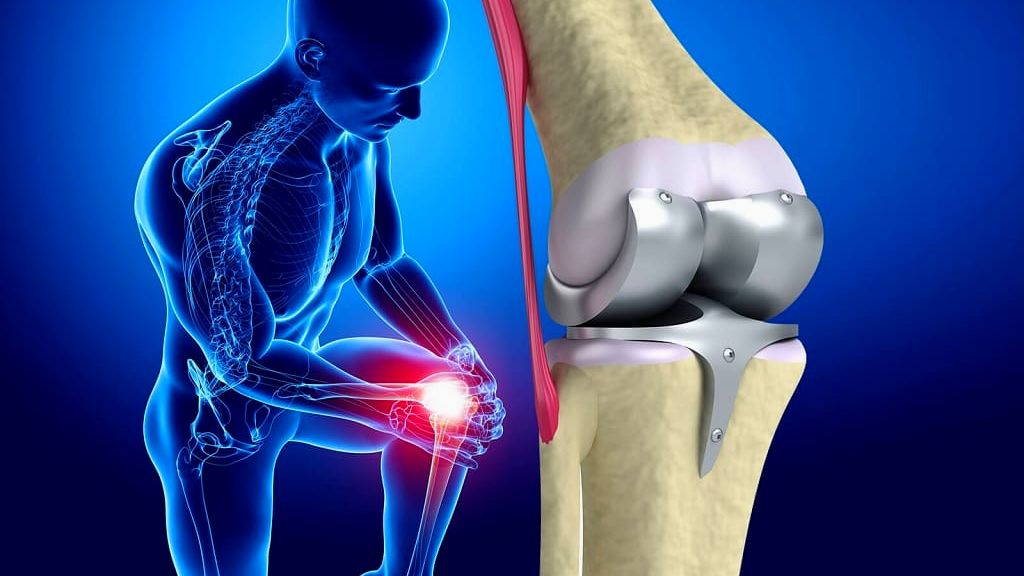
Knee replacement surgery, also known as knee arthroplasty, is a procedure that replaces damaged joint surfaces with artificial components. It is commonly considered for people with severe knee pain and reduced mobility caused by conditions such as osteoarthritis.
During surgery, the orthopedic surgeon removes damaged portions of the joint and places artificial components designed to restore joint function and improve comfort.
The main goals are to reduce pain, improve mobility, and help patients return to appropriate daily activities. Outcomes vary depending on the patient's health, the severity of the joint damage, rehabilitation, and other individual factors.
Total Knee Replacement
Total knee replacement involves replacing the main damaged joint surfaces of the knee. It may be recommended when arthritis or another condition affects several parts of the joint.
The surgeon selects the implant and surgical technique according to the patient's anatomy, condition, and clinical needs.
Partial Knee Replacement
Partial knee replacement may be suitable when damage is limited to one compartment of the knee and the remaining joint structures are appropriate for this approach.
Because it involves replacing a smaller portion of the joint, it may preserve more natural tissue. However, not every patient is eligible, and the long-term suitability of the procedure must be assessed by an orthopedic specialist.
Revision Knee Replacement
Revision surgery involves replacing or repairing components from a previous knee replacement. It may be necessary because of implant wear, loosening, infection, instability, or other complications.
Revision procedures can be more complex than an initial knee replacement and may require specialized expertise and additional planning.
Why Consider Knee Replacement in Armenia?
When researching orthopedic surgery abroad, patients often compare medical expertise, treatment costs, hospital facilities, communication, and rehabilitation arrangements.
Armenia may be worth exploring for patients seeking orthopedic consultations and treatment options. However, the suitability of a particular provider depends on the surgeon's qualifications, the hospital's capabilities, and the individual treatment plan.
Individualized Orthopedic Assessment
Knee pain can have different causes, and surgery is not always the most appropriate solution. A specialist should assess the patient's symptoms, physical function, medical history, imaging results, and previous treatments before recommending knee replacement.
Patients should receive a clear explanation of the proposed procedure, expected benefits, possible limitations, and alternatives.
Treatment Coordination
Medical travel often involves arranging consultations, diagnostic tests, hospital admission, accommodation, transportation, and follow-up appointments.
VAROSYAN MED TOURS can help international patients coordinate practical arrangements for exploring treatment in Armenia. Patients should confirm the exact services available before making travel commitments.
Planning for Rehabilitation
Recovery after knee replacement involves more than the operation itself. Physiotherapy, appropriate pain management, safe movement, and regular follow-up are important parts of the treatment process.
Before choosing a destination, patients should confirm how rehabilitation will be organized both during their stay and after returning home.
To learn more about treatment options in the country, visit our guide to medical tourism in Armenia.
Who May Need Knee Replacement Surgery?
Knee replacement may be considered for patients whose knee pain and stiffness significantly affect daily life and whose joint damage has not responded adequately to non-surgical treatments.
Common reasons for considering surgery include:
- Osteoarthritis causing significant joint damage.
- Rheumatoid arthritis or other inflammatory joint conditions.
- Persistent pain that interferes with walking, sleep, or daily activities.
- Reduced mobility and stiffness affecting independence.
- Previous knee injuries that have resulted in severe joint damage.
- Limited improvement after appropriate conservative treatment.
A diagnosis alone does not automatically mean that surgery is necessary. The decision should consider the severity of symptoms, imaging findings, overall health, functional limitations, and the patient's preferences.
What Happens Before Knee Replacement Surgery?
Preparation helps the medical team identify potential risks and develop an appropriate treatment and recovery plan.
Initial Consultation
The orthopedic surgeon reviews the patient's symptoms, medical history, mobility, and previous treatment. A physical examination and imaging studies, such as X-rays, may be used to assess the extent and location of joint damage.
Patients should explain how knee pain affects their daily activities and discuss their goals for treatment.
The surgeon should also explain why total or partial knee replacement may be appropriate and whether other treatments remain reasonable options.
Medical Assessment
Before surgery, patients may need blood tests, a general medical examination, an electrocardiogram, or other investigations depending on their age, health, and medical history.
The team may assess conditions that can influence surgical risk or healing, including diabetes, cardiovascular disease, previous blood clots, and current infections.
Patients should provide a complete list of medications and supplements. They should not stop prescribed medication without instructions from their healthcare professional.
Preparing for Recovery
Patients should discuss mobility aids, physiotherapy, pain management, and assistance with everyday activities before the operation.
Preparing the home environment can also make recovery easier. Reducing tripping hazards, arranging a comfortable resting area, and planning transportation to follow-up appointments may be helpful.
International patients should organize accommodation and support for the period after hospital discharge.
For additional preparation advice, read our guide on how to plan a medical trip to Armenia.
How Is Knee Replacement Surgery Performed?
The precise surgical approach depends on the patient's anatomy, the condition of the knee, and the surgeon's treatment plan.
Before the Procedure
The medical team reviews the patient's records, confirms the surgical plan, and explains the anesthesia and post-operative care arrangements.
Knee replacement is commonly performed under spinal or general anesthesia, sometimes alongside other methods of pain control. The anesthesia team determines the most appropriate option for the individual patient.
During Surgery
The surgeon makes an incision to access the knee joint and removes damaged cartilage and selected portions of bone.
Artificial components are then positioned to replace the damaged joint surfaces. Depending on the implant design and surgical plan, the components may be fixed using bone cement or another established fixation approach.
The surgeon checks the movement and alignment of the joint before closing the incision.
The operation's duration varies according to the procedure's complexity and the patient's circumstances.
Immediately After Surgery
After the procedure, patients are monitored while the effects of anesthesia wear off. The healthcare team manages pain, checks the surgical wound, and assesses circulation and movement.
Patients may begin standing or walking with assistance relatively soon after surgery when medically appropriate. The timing and intensity of movement depend on the patient's condition and the surgeon's instructions.
Hospital discharge takes place when the medical team determines that the patient is sufficiently stable and has an appropriate plan for continued recovery.
Recovery After Knee Replacement
Recovery after knee replacement is gradual. Progress differs between patients and depends on general health, muscle strength, the type of surgery, pain management, and participation in rehabilitation.
Patients should follow their individual recovery plan rather than comparing their progress with someone else's experience.
The First Few Days
The early recovery period focuses on pain control, wound care, safe movement, and preventing complications.
Patients commonly experience swelling, bruising, stiffness, and discomfort around the knee. The healthcare team may recommend ice, elevation, prescribed medication, exercises, and assisted walking.
Early movement is often encouraged because it supports functional recovery and helps reduce the risk of complications associated with immobility.
The First Few Weeks
Physiotherapy usually plays an important role during the first weeks after surgery. Exercises may focus on improving knee movement, strengthening the surrounding muscles, and gradually increasing walking ability.
Patients may initially use a walker or crutches, depending on their mobility and balance.
The surgeon or physiotherapist will advise when it is appropriate to increase activity, reduce reliance on walking aids, and return to routine tasks.
The First Three Months
Many patients make substantial functional progress during the first several months, although the speed of recovery varies.
Continued exercises help improve strength, balance, flexibility, and confidence when walking. Swelling and stiffness can persist during this period.
Patients should follow the recommended rehabilitation schedule and attend all necessary follow-up appointments.
Longer-Term Recovery
Further improvement may continue for six months to a year or longer. The final level of comfort and function depends on several factors, including pre-operative mobility, overall health, muscle strength, and the condition of other joints.
Knee replacement can substantially reduce arthritis-related pain for many patients, but it does not guarantee a completely pain-free knee or restore every activity to the same level as before the condition developed.
Rehabilitation After Knee Replacement
Rehabilitation is a central part of knee replacement treatment. Surgery changes the joint surfaces, but patients still need to rebuild strength, movement, balance, and confidence.
A rehabilitation plan may include:
- Gentle knee movement exercises.
- Strengthening exercises for the thigh and surrounding muscles.
- Walking practice with appropriate assistance.
- Balance and functional training.
- Guidance on stairs and everyday movements.
- Gradual increases in activity under professional supervision.
The exercises and progression should be tailored to the patient's condition. Patients should not force painful movements or begin demanding activities without medical guidance.
Before traveling to Armenia, international patients should ask whether physiotherapy is available during their stay, how often sessions are recommended, and how rehabilitation will continue after they return home.
Risks and Possible Complications
Knee replacement is a major operation and carries potential risks. Patients should discuss these with their orthopedic surgeon and anesthesia team before making a decision.
Possible complications include:
- Infection at the surgical site or around the implant.
- Blood clots in the legs or lungs.
- Bleeding or wound-healing problems.
- Persistent pain or stiffness.
- Reduced range of motion.
- Implant loosening or wear over time.
- Instability or problems with joint alignment.
- Nerve or blood vessel injury.
- The need for further surgery.
The likelihood of complications depends on individual health, the complexity of the operation, surgical factors, and recovery conditions.
Patients should ask how the hospital prevents infection and blood clots, what follow-up is required, and how complications are managed.
After surgery, sudden shortness of breath, chest pain, or fainting requires emergency medical attention. Fever, increasing redness, unusual wound discharge, or worsening pain should be reported promptly to the treating team.
How Much Does Knee Replacement Cost in Armenia?
The cost of knee replacement in Armenia depends on the procedure, the implant, the hospital, the patient's medical needs, and the rehabilitation arrangements.
Patients should obtain a personalized quotation rather than relying on a general price estimate.
Important cost factors include:
- Total, partial, or revision knee replacement.
- The type and design of the implant.
- The surgeon's fees.
- Hospital accommodation and operating-room costs.
- Anesthesia and medical assessments.
- Diagnostic tests and imaging.
- Medication and post-operative monitoring.
- Physiotherapy and rehabilitation.
- Accommodation, transportation, and travel expenses.
It is important to clarify whether the quotation includes the implant, hospital stay, medication, physiotherapy, follow-up consultations, and any necessary medical equipment.
Patients should also ask what costs may arise if the hospital stay is extended or additional treatment becomes necessary.
Comparing the complete treatment package is more useful than comparing the initial surgical fee alone.
For broader information, read our guide to medical treatment costs in Armenia.

Choosing an Orthopedic Surgeon and Hospital
Selecting an appropriate medical provider is one of the most important parts of planning knee replacement abroad.
Patients should independently verify professional credentials and evaluate the hospital's ability to provide surgery, post-operative monitoring, and rehabilitation.
Verify the Surgeon's Experience
Confirm that the surgeon is appropriately qualified and experienced in knee replacement procedures.
Ask how frequently the surgeon performs the proposed operation and how they assess the suitability of different implant types.
The surgeon should explain the expected benefits, potential complications, and realistic functional goals.
Ask About the Implant
Patients should ask which implant is proposed, why it is appropriate, and what information is available about its performance.
It is also helpful to understand whether implant documentation will be provided and how the details will be recorded for future medical care.
Evaluate Hospital Safety
Ask about infection prevention, anesthesia services, post-operative monitoring, and the hospital's ability to manage complications.
Patients should understand where they will stay after surgery and what support will be available if their condition requires additional care.
Confirm Rehabilitation and Follow-Up
Before booking treatment, establish how physiotherapy will be organized and how long the patient may need to remain in Armenia.
Ask who will review the surgical wound, monitor progress, and provide medical advice after departure.
A clear follow-up plan is particularly important because rehabilitation continues well beyond the initial hospital stay.
For further guidance, read our article on choosing hospitals and clinics in Armenia.
Traveling to Armenia for Knee Replacement
International patients need to plan carefully because knee replacement involves a recovery period and may temporarily limit mobility.
Plan the Length of Your Stay
The required stay depends on the patient's recovery, the hospital's protocol, rehabilitation needs, and the surgeon's assessment.
Patients should not book a fixed return date without discussing travel readiness and follow-up requirements with the medical team.
Arrange Accessible Accommodation
After discharge, patients may need accommodation with convenient access, minimal stairs, and enough space to use mobility aids.
A companion can help with meals, transportation, and daily tasks during the early recovery period.
Discuss Flying After Surgery
Long-distance air travel after major orthopedic surgery requires careful medical planning because surgery and reduced mobility can increase the risk of blood clots.
The surgeon should determine when travel is appropriate and explain any necessary precautions, including prescribed clot-prevention measures and movement during the journey.
Patients should also arrange access to medical care after returning home and ensure that relevant surgical records are available to their local healthcare provider.
For more practical advice, explore our guide to medical tourism safety in Armenia.
How VAROSYAN MED TOURS Can Help
Planning orthopedic treatment abroad involves coordinating appointments, communicating with healthcare providers, organizing accommodation, and understanding the expected treatment schedule.
VAROSYAN MED TOURS supports international patients who want to explore medical treatment options in Armenia and organize the practical aspects of their visit.
Depending on the agreed services, assistance may include:
- Exploring available orthopedic treatment options.
- Coordinating consultations with healthcare providers.
- Organizing appointments and travel logistics.
- Arranging accommodation and transportation.
- Helping patients understand the proposed schedule for treatment and follow-up.
Patients should confirm the available services, fees, and arrangements before committing to travel.
VAROSYAN MED TOURS provides coordination support. Decisions about diagnosis, surgery, implants, medication, and rehabilitation must be made with qualified healthcare professionals.
Is Knee Replacement in Armenia Right for You?
Knee replacement may be an option for people experiencing severe joint pain and reduced mobility when non-surgical treatments no longer provide sufficient relief.
However, surgery is a significant decision. Patients should understand the proposed procedure, potential risks, expected recovery, total cost, and rehabilitation requirements before proceeding.
For international patients, the quality of the treatment plan and the availability of follow-up care are just as important as the destination.
Careful preparation and consultation with qualified orthopedic specialists can help patients make informed decisions about whether knee replacement in Armenia meets their needs.
Start Planning Your Medical Trip to Armenia
If you are considering knee replacement in Armenia, VAROSYAN MED TOURS can help you explore available options and coordinate the practical details of your medical journey.
Contact our team to learn about available coordination services and begin planning your visit.
Visit our services page or contact VAROSYAN MED TOURS to take the next step.