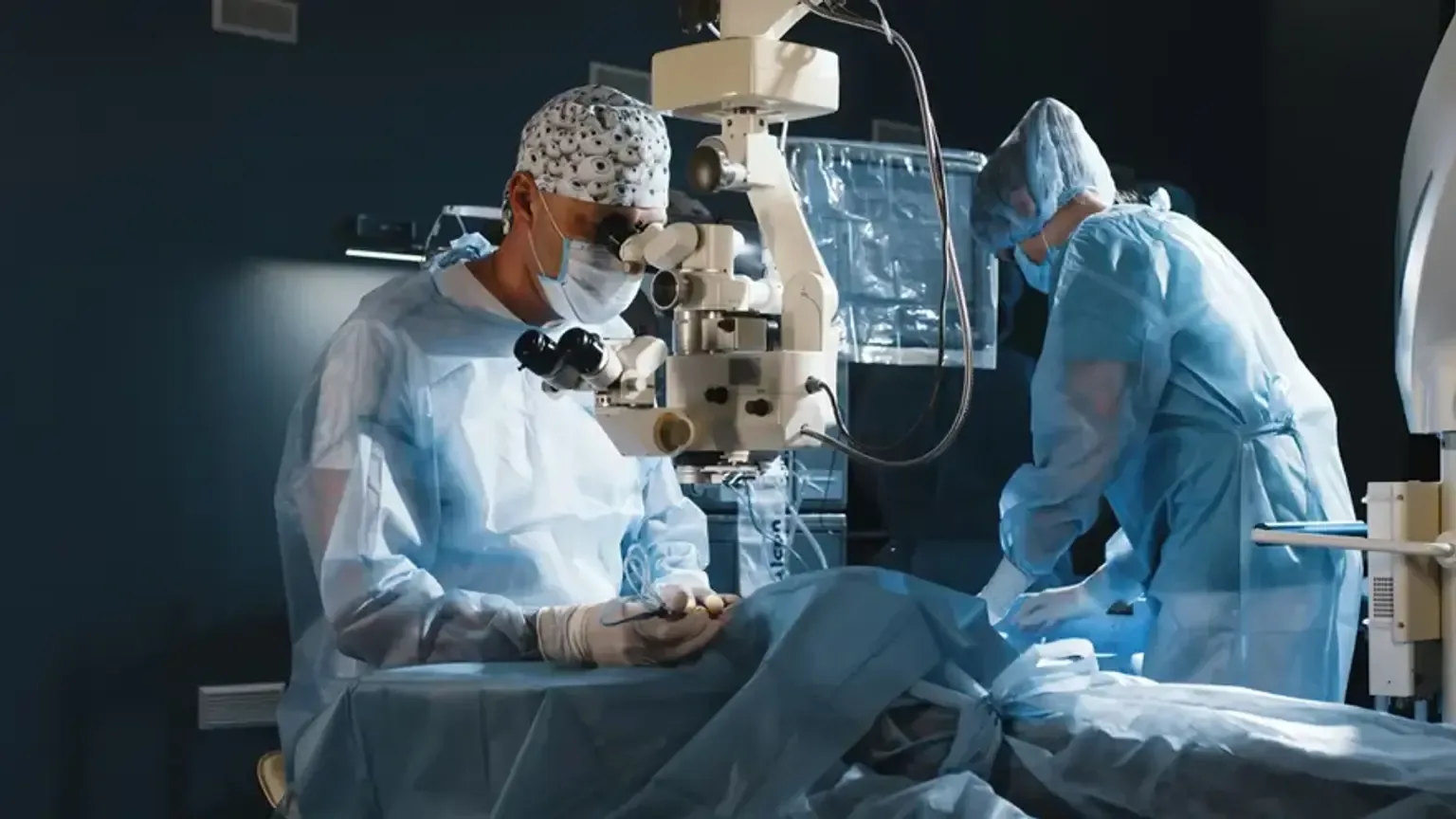



Liposuction is a cosmetic surgical procedure designed to remove localised fat deposits and improve the contours of specific areas of the body. It is commonly considered by people who have persistent fat deposits that do not respond as expected to changes in diet and physical activity.
For international patients exploring cosmetic surgery abroad, liposuction in Armenia may be an option worth researching. Before choosing a clinic or planning a trip, it is important to understand how the procedure works, who may benefit from it, what recovery involves, and which factors influence the overall cost.
Liposuction is not a weight-loss treatment, and it cannot guarantee a particular body shape. The results depend on individual anatomy, skin elasticity, the surgical technique, and other personal factors.
Through VAROSYAN MED TOURS, international patients can explore medical travel arrangements and receive assistance coordinating the practical aspects of a treatment journey in Armenia.
This guide covers the main considerations for patients researching liposuction in Armenia, from the initial consultation to recovery and follow-up care.
What Is Liposuction?
Liposuction is a surgical procedure that removes fat from selected areas of the body using specialised instruments. A surgeon makes small incisions and inserts a thin tube called a cannula to remove targeted fat.
The goal is to improve body contours rather than produce substantial weight loss.
Liposuction may be performed on areas such as:
- The abdomen.
- The waist and flanks.
- The hips.
- The thighs.
- The upper arms.
- The back.
- The chin and neck in selected patients.
The areas that can be treated depend on the patient's anatomy, medical history, and the surgeon's assessment.
Liposuction does not treat obesity, remove visceral fat surrounding internal organs, or reliably correct loose skin. When excess skin is a major concern, another procedure may be more appropriate.
Why Consider Liposuction in Armenia?
Armenia is one destination international patients may investigate when comparing cosmetic surgery options abroad. The decision should be based on the quality of medical care, the suitability of the proposed procedure, transparent pricing, and the availability of follow-up support.
Location and travel planning
Armenia's location in the South Caucasus may make it accessible for patients travelling from nearby countries. Travel time, entry requirements, accommodation, and post-operative restrictions should be considered before making arrangements.
Individual consultations
A proper consultation gives the surgeon an opportunity to assess the areas of concern, skin elasticity, general health, and expectations. Patients should receive a personalised explanation of the potential benefits and limitations of surgery.
Treatment coordination
International patients often need to coordinate consultations, medical appointments, accommodation, and transportation. A medical tourism coordinator can help with logistics, although medical decisions must remain with the treating healthcare professionals.
Comparing treatment costs
Prices may differ between clinics because of the surgical technique, the number of areas treated, anaesthesia, facility fees, and post-operative services.
Patients should compare complete treatment plans rather than choosing a provider based only on the advertised price.
Learn more about the wider process in our guide to Medical Tourism in Armenia.
Who Is a Suitable Candidate for Liposuction?
Liposuction may be suitable for some adults who have localised fat deposits and are close to a stable, healthy weight.
A surgeon will evaluate whether the procedure is appropriate based on the patient's overall health, body composition, skin condition, and expectations.
Potential candidates generally need to understand that liposuction is intended to reshape selected areas rather than serve as a substitute for weight management.
Factors considered during an assessment may include:
- General physical health.
- Stability of body weight.
- Skin elasticity.
- Distribution of fat deposits.
- Medical conditions and medications.
- Smoking or nicotine use.
- Previous surgeries.
- History of blood clots or other relevant risks.
- Expectations about the final result.
There is no single ideal weight or body measurement that automatically makes someone suitable for liposuction.
The surgeon must assess each patient individually and may recommend postponing surgery or considering an alternative if the risks outweigh the potential benefits.
What Areas Can Liposuction Treat?
The treatment plan depends on the patient's goals and the areas where fat removal may be appropriate.
Abdominal liposuction
Abdominal liposuction targets selected fat deposits around the abdomen. It may improve the contour of the area in suitable patients, but it does not tighten significantly loose skin or repair separated abdominal muscles.
Patients with substantial skin laxity may need to discuss other procedures with a qualified plastic surgeon.
Waist and flank liposuction
Treatment of the waist and flanks may help create a more defined body contour. The outcome depends on fat distribution, skin elasticity, and the relationship between the treated areas.
Thigh liposuction
Thigh liposuction may be considered for localised fat deposits on the inner or outer thighs. The surgeon should assess skin quality and the risk of uneven contours before recommending treatment.
Arm liposuction
Arm liposuction targets fat deposits in the upper arms. It may be less suitable when loose skin is the main concern, because removing fat does not necessarily improve skin laxity.
Chin and neck liposuction
In selected patients, liposuction under the chin may improve the appearance of the jawline and neck. Suitability depends on anatomy, skin elasticity, and other factors affecting facial contours.
The surgeon should explain which areas can reasonably be treated and whether combining multiple areas would increase surgical risk or recovery requirements.
Types of Liposuction Techniques
Several techniques may be used to remove fat. The appropriate method depends on the treatment area, the surgeon's experience, the patient's anatomy, and the available equipment.
Traditional or suction-assisted liposuction
Suction-assisted liposuction uses a cannula connected to a suction system to remove fat. It remains an established approach for body contouring.
The amount of fat removed and the expected outcome must be determined according to the patient's circumstances and safety considerations.
Tumescent liposuction
Tumescent techniques involve introducing a fluid solution into the treatment area before fat removal. The solution can help reduce bleeding and provide local anaesthesia as part of the procedure.
The exact approach depends on the surgical plan and anaesthesia requirements.
Ultrasound-assisted liposuction
Ultrasound-assisted techniques use ultrasound energy to help disrupt fat before removal in selected cases.
The suitability and risks depend on the area being treated, the equipment used, and the surgeon's expertise.
Laser-assisted liposuction
Laser-assisted techniques use laser energy as part of the fat-removal process. Marketing claims about skin tightening or superior outcomes should be evaluated carefully.
No technique guarantees a better result for every patient. Ask the surgeon to explain why a particular method is recommended for your case and what evidence supports the expected benefits.
What Happens During a Liposuction Consultation?
The consultation is essential for determining whether surgery is appropriate and developing a safe treatment plan.
Medical assessment
The surgeon reviews the patient's medical history, medications, allergies, previous procedures, and other factors that may influence surgical risk.
Additional examinations or medical clearance may be necessary.
Physical examination
The surgeon assesses fat distribution, skin elasticity, body proportions, and the areas the patient would like to change.
Photographs or measurements may be used for treatment planning, subject to the clinic's procedures and the patient's consent.
Discussion of expectations
Patients should describe their goals clearly and ask what results are realistically achievable.
The surgeon should explain the limitations of liposuction, including the possibility of uneven contours, residual fat, loose skin, or the need for further treatment.
Personalised treatment plan
The final plan should specify the areas to be treated, the proposed technique, anaesthesia, expected recovery, and potential risks.
For patients travelling internationally, the plan should also include the expected number of appointments and the minimum recommended stay.
How Is Liposuction Performed?
The procedure varies according to the treatment area and the chosen technique.
In general, the process may include the following stages.
Step 1: Preparation
The surgical team reviews the treatment plan, confirms the areas to be treated, and completes the necessary pre-operative checks.
Patients receive instructions about fasting, medications, smoking, and other preparation requirements where applicable.
Step 2: Anaesthesia
Liposuction may be performed using local anaesthesia, sedation, or general anaesthesia, depending on the extent of treatment and the clinical circumstances.
The surgeon and anaesthesia team determine the appropriate approach.
Step 3: Fat removal
Small incisions are made in the selected areas. A cannula is inserted to remove targeted fat deposits according to the surgical plan.
The amount removed depends on patient safety, the treatment area, and the surgeon's assessment.
Step 4: Compression garments
A compression garment may be recommended after surgery to support the treated areas and help manage swelling.
The type of garment and duration of use should be determined by the treating surgeon.
Step 5: Post-operative monitoring
The medical team monitors the patient and provides instructions about wound care, medication, activity, and follow-up appointments.
Some patients may require additional observation depending on the extent of surgery and their medical circumstances.
How Much Does Liposuction Cost in Armenia?
The cost of liposuction in Armenia depends on the details of the procedure and the clinic's pricing structure.
There is no single price that applies to every patient.
Factors that may influence the cost include:
- The number of areas treated.
- The size and complexity of each area.
- The surgical technique.
- The surgeon's fees.
- Anaesthesia.
- Operating room and facility charges.
- Pre-operative examinations.
- Compression garments.
- Medication and post-operative care.
- The need for additional procedures.
International patients should also budget for flights, accommodation, local transportation, meals, and a possible extended stay if recovery or follow-up takes longer than expected.
What should an itemised quote include?
Ask the clinic for a written estimate that explains what is included and what may be charged separately.
Confirm whether the quoted price covers the consultation, tests, anaesthesia, surgery, overnight monitoring if required, post-operative appointments, and prescribed supplies.
You should also ask how unexpected medical needs or changes to the treatment plan would affect the total cost.
For additional budgeting guidance, read Medical Treatment Costs in Armenia.
Liposuction Before and After: What Results Can You Expect?
Liposuction can change the contours of treated areas, but results vary considerably.
The final appearance depends on several factors, including the amount and distribution of fat, skin elasticity, healing, and the surgeon's technique.
Swelling and bruising can temporarily make it difficult to assess the outcome. Contours usually become clearer as swelling decreases, although complete recovery can take several months.
Patients should understand that:
- Liposuction does not guarantee a particular body shape.
- It is not a treatment for cellulite in general.
- It does not reliably tighten significantly loose skin.
- It does not prevent future weight gain.
- Some asymmetry or contour irregularity may remain.
- Additional treatment may sometimes be required.
A responsible surgeon should discuss realistic expectations before surgery and explain what can and cannot be achieved in your individual case.
Recovery After Liposuction
Recovery depends on the extent of surgery, the areas treated, the technique used, and the patient's overall health.
Swelling, bruising, tenderness, and temporary changes in sensation can occur after liposuction.
Your surgeon should provide personalised instructions and explain which symptoms are expected and which require medical attention.
The first few days
Patients may experience soreness, swelling, bruising, and fluid drainage from small incision sites.
Rest is important, but gentle movement may be encouraged to reduce the risk of complications associated with prolonged inactivity. Follow the instructions provided by your medical team.
The first few weeks
Swelling and bruising generally improve gradually. Compression garments may need to be worn for a period specified by the surgeon.
Strenuous exercise, heavy lifting, and certain other activities should be avoided until the surgeon confirms that they can be resumed safely.
Longer-term recovery
The final contours may take several months to become apparent as swelling settles.
Patients should attend the recommended follow-up visits and contact the clinic if recovery does not progress as expected.

What Are the Risks of Liposuction?
Liposuction is a surgical procedure, and it carries risks even when performed by an experienced team.
Potential complications include:
- Bleeding.
- Infection.
- Fluid accumulation.
- Persistent swelling.
- Changes in skin sensation.
- Uneven contours or asymmetry.
- Skin irregularities.
- Reactions to anaesthesia.
- Blood clots.
- Fluid-related complications.
- Damage to deeper structures.
- Rare but serious complications that may be life-threatening.
The risks depend on the patient's health, the volume and location of fat removed, the technique, and whether multiple procedures are performed together.
Patients should receive a clear explanation of the risks and the plan for managing complications.
After surgery, seek urgent medical attention for symptoms such as chest pain, sudden shortness of breath, fainting, severe or rapidly increasing pain, or significant one-sided leg swelling. Contact the surgical team promptly if you develop fever, worsening redness, unusual discharge, or other concerning symptoms.
Can Liposuction Be Combined With Other Cosmetic Procedures?
Liposuction may sometimes be combined with another procedure, but this depends on the patient's health, the extent of surgery, and the additional risks involved.
A surgeon may discuss combining procedures when it is clinically appropriate. However, performing several operations during one visit can increase surgical complexity and may lengthen recovery.
Liposuction and tummy tuck
A tummy tuck, or abdominoplasty, removes excess skin and may address separated abdominal muscles in suitable patients. Liposuction primarily removes targeted fat.
These procedures address different concerns, although they may sometimes be combined.
Learn more in our guide to Plastic Surgery in Armenia.
Liposuction and breast procedures
Liposuction may be considered alongside certain breast procedures in selected cases, depending on the surgical goals and treatment plan.
Patients should discuss the total operating time, recovery requirements, and potential complications with their surgeon.
Liposuction and other body-contouring procedures
The suitability of combining procedures depends on the areas involved, the patient's health, and the expected surgical burden.
Do not assume that combining procedures will always save time or money. Patient safety should remain the primary consideration.
How to Prepare for Liposuction in Armenia
Planning surgery abroad requires preparation beyond booking flights and accommodation.
Before travelling
Share your medical history and relevant records with the clinic. Explain any chronic conditions, allergies, medications, previous surgeries, or history of blood clots.
Ask whether an in-person assessment is required before the final treatment plan can be confirmed. A remote consultation may help with initial coordination but cannot replace a physical examination.
Follow pre-operative instructions
Your surgeon may provide instructions about smoking, alcohol, medication, fasting, and other preparation requirements.
Do not stop prescribed medication or begin new medication without appropriate medical advice.
Arrange practical support
Depending on the procedure and anaesthesia, you may need someone to accompany you or help during the initial recovery period.
Plan for transportation after surgery and avoid arranging activities that conflict with medical instructions.
Allow flexibility in your schedule
Do not plan your trip around the shortest possible recovery period. Additional examinations, unexpected swelling, or other medical issues can change the schedule.
For more detailed travel advice, read How to Plan a Medical Trip to Armenia.
How Long Should You Stay in Armenia After Liposuction?
The recommended stay depends on the extent of surgery, your recovery, and the surgeon's follow-up requirements.
Before booking your return flight, confirm:
- How long the surgeon recommends remaining in Armenia.
- When the first post-operative appointment will take place.
- Whether stitches or dressings require attention.
- When travel is considered appropriate.
- Whether additional follow-up visits may be necessary.
- What to do if symptoms develop after returning home.
Air travel after surgery requires individual assessment. Recent surgery, reduced mobility, and long periods of sitting can affect the risk of blood clots.
Your surgeon should provide advice based on your procedure and personal risk factors.
Maintaining Results After Liposuction
Liposuction removes fat cells from the treated areas, but it does not make a person immune to future weight gain.
Remaining fat cells can enlarge if body weight increases. Weight changes may also affect the appearance of untreated areas.
To help maintain the result, patients should follow a sustainable approach to nutrition, physical activity, and general health.
There is no need to pursue extreme diets or excessive exercise. The goal is to maintain a stable weight and follow healthy habits that are appropriate for your circumstances.
If your weight changes significantly, the appearance of the treated areas may change as well.
How to Choose a Liposuction Clinic in Armenia
Choosing a provider is one of the most important decisions when planning cosmetic surgery abroad.
Verify the surgeon's qualifications
Ask about the surgeon's professional qualifications, relevant experience, and experience with the specific procedure being proposed.
Understand the facility and anaesthesia arrangements
Confirm where the procedure will take place, who will provide anaesthesia when required, and what monitoring and emergency arrangements are available.
Request a personalised treatment plan
The clinic should assess your health and anatomy before recommending surgery. Be cautious of providers who promise a specific result without an adequate examination.
Review the risks and aftercare
Ask how complications are managed and how follow-up care will be organised if you return home before recovery is complete.
Compare complete costs
A detailed quote should explain the surgical fees, anaesthesia, facility costs, follow-up appointments, and other relevant expenses.
A professional consultation should leave you with a clear understanding of the proposed procedure, its limitations, and its potential risks.
How VAROSYAN MED TOURS Can Help
Organising cosmetic surgery abroad can involve several practical tasks, including communication with providers, appointment coordination, and travel planning.
VAROSYAN MED TOURS assists international patients exploring medical treatment options in Armenia by helping coordinate the non-clinical aspects of their journey.
Depending on the services arranged, support may include:
- Assistance communicating with healthcare providers.
- Coordination of consultations and appointments.
- Help organising accommodation and transportation.
- Guidance with treatment-related travel planning.
- Assistance coordinating practical arrangements around the expected recovery period.
The scope of support should be confirmed before booking. Medical assessments, surgical recommendations, and treatment decisions remain the responsibility of qualified healthcare professionals.
Explore our medical tourism services to learn more about planning a medical visit to Armenia.
Liposuction in Armenia: Frequently Important Considerations
Before making a decision, patients should keep several points in mind.
Liposuction is intended for body contouring, not major weight loss. The best approach depends on individual anatomy, skin quality, general health, and expectations.
The lowest-priced procedure is not necessarily the most suitable, and advanced technology does not guarantee superior results.
Patients should also understand that cosmetic surgery involves recovery time and possible complications. Travelling home too early or missing follow-up appointments may make it more difficult to address problems promptly.
Take time to review the treatment plan, ask questions, and consider alternatives before agreeing to surgery.
Final Thoughts: Is Liposuction in Armenia Right for You?
Liposuction in Armenia may be worth exploring for international patients seeking cosmetic body-contouring treatment abroad. The decision should be based on an individual medical assessment, the surgeon's qualifications, the suitability of the proposed technique, and a clear understanding of the expected outcome.
Before travelling, compare providers carefully, request an itemised quotation, and establish a realistic recovery and follow-up plan.
Most importantly, choose a treatment approach that prioritises your health and safety rather than focusing only on price or the promise of a dramatic transformation.
Ready to Explore Liposuction in Armenia?
If you are considering liposuction abroad, VAROSYAN MED TOURS can help you explore the practical arrangements involved in planning a medical trip to Armenia.
Contact our team to discuss your travel requirements, learn about available coordination services, and identify the next steps for arranging a consultation with a qualified medical provider.
Start planning your medical journey: Contact VAROSYAN MED TOURS