

A healthy smile plays an important role in everyday life, but damaged, weakened, or severely worn teeth can affect both appearance and oral function. Dental crowns are a common restorative dentistry solution used to protect compromised teeth, restore their shape, and improve their appearance.
For international patients considering dental treatment abroad, Armenia may be a destination worth exploring. Patients can research local dental clinics, compare treatment options, and discuss personalized treatment plans with dental professionals.
VAROSYAN MED TOURS helps international patients explore medical and dental treatment options in Armenia and coordinate the practical arrangements of their visit.
This guide explains what dental crowns are, the materials available, how the treatment works, recovery expectations, cost factors, and what to consider when choosing a dental clinic in Armenia.
What Are Dental Crowns?
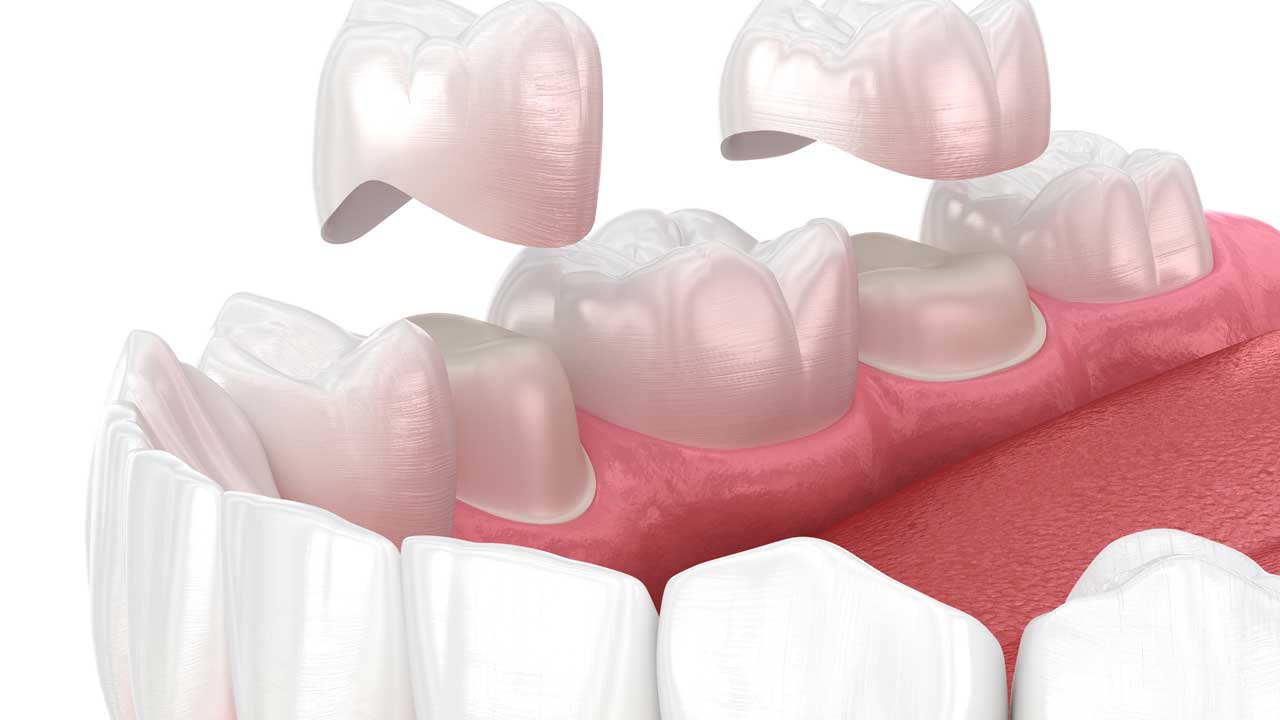
A dental crown is a custom-made restoration that covers the visible portion of a damaged or weakened tooth. It is designed to restore the tooth's shape, size, strength, and appearance.
Crowns are used in restorative and cosmetic dentistry. Depending on the patient's needs, a dentist may recommend a crown to protect a tooth after root canal treatment, restore a tooth with extensive decay, or improve the appearance of a severely damaged tooth.
Unlike dental veneers, which cover only the front surface of a tooth, crowns generally cover the entire visible portion above the gum line.
When Might You Need a Dental Crown?
A dentist may recommend a crown when a tooth requires more protection or structural restoration than a filling can provide.
Common reasons include:
- High strength and durability.
- A tooth-colored appearance.
- Resistance to wear under appropriate conditions.
- Suitability for different restorative applications.
The appearance of zirconia crowns can vary depending on the material's translucency and design. A dentist should determine whether the selected type is appropriate for the patient's bite and aesthetic expectations.
E-max Crowns
E-max crowns are made from lithium disilicate ceramic. They are known for their natural-looking appearance and light-transmitting properties.
They may be considered for front teeth and selected back teeth, depending on the bite and the amount of force placed on the restoration.
E-max crowns can provide an aesthetic result, but they are not automatically the best choice for every patient. The dentist should assess the tooth's condition and functional requirements.
Porcelain-Fused-to-Metal Crowns
Porcelain-fused-to-metal crowns combine a metal framework with a porcelain outer layer.
They have been used in restorative dentistry for many years and can provide a balance of strength and tooth-like appearance.
However, the metal framework may sometimes become visible near the gum line, particularly if the gums recede over time.
Metal Crowns
Metal crowns are made from dental alloys and are valued for their strength and durability. They are generally less natural-looking than ceramic alternatives.
They may be considered for certain back teeth where appearance is less important than function.
Temporary Crowns
Temporary crowns protect prepared teeth while the permanent restoration is being manufactured.
They are usually made from temporary materials and are intended for short-term use. Patients should follow the dentist's instructions and avoid placing excessive pressure on them.
Why Consider Dental Crowns in Armenia?
Patients researching dental treatment abroad often compare destinations based on clinical standards, materials, dentist qualifications, treatment costs, and the time required to complete treatment.
Armenia may be worth considering for international patients looking for restorative dental services. However, the quality of treatment depends on the individual clinic, dental professional, laboratory process, and treatment plan.
Personalized Dental Treatment
Every patient has different dental needs. A dentist should examine the affected tooth, surrounding teeth, gums, bite, and overall oral health before recommending a crown.
The treatment plan should explain which material is appropriate, how much natural tooth structure needs to be prepared, and what alternatives may be available.
Access to Different Crown Materials
Depending on the clinic and laboratory arrangements, patients may be able to discuss different crown materials, including zirconia, lithium disilicate, and porcelain-fused-to-metal restorations.
Patients should ask about the exact material being proposed rather than choosing based only on a general product name.
Assistance With Dental Travel
Traveling for dental treatment involves coordinating consultations, appointments, accommodation, and transportation.
VAROSYAN MED TOURS can help international patients organize the practical aspects of exploring treatment in Armenia. The exact services available should be confirmed before travel.
To learn more about treatment opportunities, visit our guide to dental tourism in Armenia.
The Dental Crown Procedure: Step by Step
The process of receiving a dental crown usually involves several stages. The exact number of appointments depends on the tooth's condition, the type of crown, and the clinic's workflow.
1. Dental Examination and Consultation
The dentist begins by examining the tooth and surrounding tissues. X-rays may be required to evaluate the tooth roots, bone, and any underlying infection.
The dentist also checks the patient's bite and gum health.
During this appointment, patients should discuss their expectations, medical history, allergies, and any previous dental treatment.
2. Tooth Preparation
If a crown is appropriate, the dentist prepares the tooth by removing a controlled amount of its outer structure.
The amount of preparation depends on the selected material and the condition of the tooth.
If the tooth has significant damage, the dentist may need to rebuild part of its structure before placing the crown.
3. Dental Impressions or Digital Scanning
The dentist records the shape of the prepared tooth and surrounding teeth. This may be done using traditional impressions or digital scanning technology.
These records are used to manufacture a crown that fits the prepared tooth and matches the patient's bite.
4. Temporary Crown Placement
A temporary crown may be placed to protect the prepared tooth while the permanent restoration is being produced.
Patients should avoid sticky or very hard foods that could dislodge or damage the temporary restoration.
5. Permanent Crown Placement
Once the permanent crown is ready, the dentist checks its fit, shape, color, and contact with neighboring teeth.
The dentist also checks the bite to ensure that the crown does not create excessive pressure.
After the necessary adjustments, the crown is cemented or otherwise secured according to the selected restoration system.
How Long Does Dental Crown Treatment Take?
The treatment timeline depends on the patient's dental condition, the number of crowns, the material, and whether additional procedures are needed.
A straightforward crown may require two main appointments: one for preparation and scanning, and another for placement.
However, patients who need root canal treatment, gum treatment, replacement of old restorations, or other procedures may require additional appointments.
International patients should not assume that all dental treatment can be completed in a single visit. Before traveling, ask the clinic for a realistic schedule that includes time for examination, laboratory production, fitting, and any necessary adjustments.
Does Getting a Dental Crown Hurt?
Tooth preparation is generally performed under local anesthesia, which helps minimize discomfort during the procedure.
After treatment, some patients experience temporary sensitivity to hot or cold temperatures, mild gum irritation, or discomfort when biting.
These symptoms may improve as the tooth and surrounding tissues settle. However, persistent or worsening pain should be evaluated by the dentist.
Patients should contact their dental provider if the crown feels too high when biting, becomes loose, or causes ongoing discomfort.
How to Care for Dental Crowns
Dental crowns require regular oral hygiene and professional dental check-ups. Although the crown itself cannot develop decay, the natural tooth underneath and around its edges can still be affected by plaque and bacteria.
To maintain a crown:
- Brush twice daily with fluoride toothpaste.
- Clean between teeth using dental floss or suitable interdental brushes.
- Attend regular dental examinations.
- Avoid chewing very hard objects.
- Do not use teeth to open packaging or bite non-food items.
- Follow professional advice about grinding or clenching.
- Consider a protective night guard if recommended by your dentist.
Good oral hygiene helps protect the supporting tooth and surrounding gum tissue.
How Long Do Dental Crowns Last?
The lifespan of a dental crown varies depending on its material, placement, oral hygiene, bite forces, and general dental health.
Some crowns remain functional for many years, but no restoration lasts indefinitely.
Factors that may affect longevity include:
- The quality of the original tooth structure.
- The accuracy of the crown's fit.
- The patient's oral hygiene habits.
- Teeth grinding or clenching.
- Gum health.
- Regular dental examinations.
- Eating habits and excessive biting forces.
A crown may eventually require repair or replacement if it becomes damaged, loose, worn, or affected by problems with the supporting tooth.
Dental Crowns vs. Dental Veneers
Dental crowns and veneers can both improve the appearance of teeth, but they serve different purposes.
A veneer generally covers the front surface of a tooth and is often used to address discoloration, minor shape concerns, or selected cosmetic imperfections.
A crown covers most or all of the visible tooth and is commonly recommended when the tooth requires more extensive structural protection.
The choice depends on the condition of the natural tooth. When possible, preserving healthy tooth structure is an important consideration.
For patients exploring cosmetic dental options, our guide to dental veneers in Armenia explains another treatment approach.

Dental Crowns on Implants
Dental crowns can also be used to restore missing teeth when supported by dental implants.
In this situation, the implant is placed in the jawbone and acts as an artificial tooth root. A connector, known as an abutment, supports the crown.
Implant treatment generally involves multiple stages, including assessment, implant placement, healing, and restoration.
Not every patient is immediately suitable for implant treatment. Bone volume, gum health, medical history, and other factors must be evaluated.
If you are considering this option, read our guide to dental implants in Armenia.
How Much Do Dental Crowns Cost in Armenia?
The cost of dental crowns in Armenia depends on the selected material, the complexity of treatment, the clinic, and whether additional dental procedures are necessary.
Factors that may influence the total cost include:
- Crown material and manufacturing method.
- The number of crowns required.
- The condition of the natural teeth.
- Whether root canal treatment is needed.
- Whether a dental build-up or post is required.
- Diagnostic examinations and X-rays.
- Temporary restorations.
- Additional gum or periodontal treatment.
- Follow-up appointments and adjustments.
Patients should request an itemized treatment plan before confirming their visit.
It is important to ask whether the quotation includes examination, tooth preparation, temporary crowns, laboratory production, final placement, and follow-up care.
A low advertised price may not include all the services needed to complete treatment. Comparing the full treatment plan is more useful than comparing the price of a crown alone.
For more information about treatment budgeting, read our article on medical treatment costs in Armenia.
Choosing the Right Dental Clinic in Armenia
Selecting a dental clinic is an important decision, particularly when treatment is planned abroad.
Patients should consider the dentist's qualifications, diagnostic approach, laboratory arrangements, materials, hygiene standards, and availability of follow-up care.
Check the Dentist's Qualifications
Ask about the dentist's education, professional experience, and experience with the specific type of crown being recommended.
A qualified professional should explain why a crown is necessary and discuss alternative treatments where appropriate.
Ask About Materials and Laboratory Work
Patients should know which material will be used and how the crown will be manufactured.
Ask whether the clinic can provide information about the restoration material, laboratory process, and any relevant product documentation.
Understand the Treatment Plan
Before starting treatment, request a written plan that describes the teeth involved, the proposed procedures, the estimated timeline, and the total cost.
If several crowns are recommended, ask whether each tooth genuinely requires a full-coverage restoration.
Confirm Follow-Up Arrangements
Dental treatment may require adjustments after placement. International patients should ask how the clinic handles discomfort, bite corrections, crown damage, or other issues after they return home.
For additional guidance, explore our article on choosing hospitals and clinics in Armenia.
Traveling to Armenia for Dental Crown Treatment
International patients should plan their dental trip around the treatment schedule rather than relying on a short holiday itinerary.
Arrange Appointments in Advance
Contact the clinic before traveling and provide information about your dental concerns. Previous X-rays or dental records may help the dentist understand your situation before an in-person examination.
However, the final treatment plan should be confirmed after a clinical assessment.
Allow Enough Time
The number of visits depends on the treatment required and laboratory production time. Patients should leave some flexibility in their schedule in case adjustments or additional procedures are necessary.
Organize Accommodation and Transportation
Choose accommodation that provides convenient access to the clinic and allows enough time for rest between appointments.
If treatment involves several teeth or additional procedures, ask the clinic whether any temporary dietary or activity recommendations should influence your travel plans.
For more information, read our guide to planning a medical trip to Armenia.
How VAROSYAN MED TOURS Can Help
Organizing dental treatment abroad can involve several practical steps, from exploring available clinics to arranging appointments and accommodation.
VAROSYAN MED TOURS helps international patients explore treatment options in Armenia and coordinate the practical aspects of their visit.
Depending on the services agreed upon, support may include:
- Exploring available dental treatment options.
- Coordinating consultations with healthcare providers.
- Organizing dental appointments and travel logistics.
- Arranging accommodation and transportation.
- Helping patients understand the expected treatment schedule.
Patients should confirm the exact services, fees, and arrangements before making travel commitments.
VAROSYAN MED TOURS provides coordination support. Dental examinations, diagnoses, treatment recommendations, and clinical procedures are the responsibility of qualified dental professionals.
Are Dental Crowns in Armenia Right for You?
Dental crowns may be an appropriate solution for restoring teeth that are weakened, damaged, or extensively worn. They can help restore tooth function and appearance when selected and fitted correctly.
For international patients, choosing the right dental clinic involves more than comparing prices. It is important to understand the proposed treatment, verify the dentist's qualifications, ask about materials, and arrange follow-up care.
A professional dental consultation can help determine whether a crown is the most suitable option or whether a more conservative treatment may be possible.
Start Planning Your Dental Treatment in Armenia
If you are considering dental crowns in Armenia, VAROSYAN MED TOURS can help you explore available treatment options and coordinate the practical details of your visit.
Contact our team to discuss your needs and learn about the coordination services available to international patients.
Visit our services page or contact VAROSYAN MED TOURS to begin planning your dental journey.