


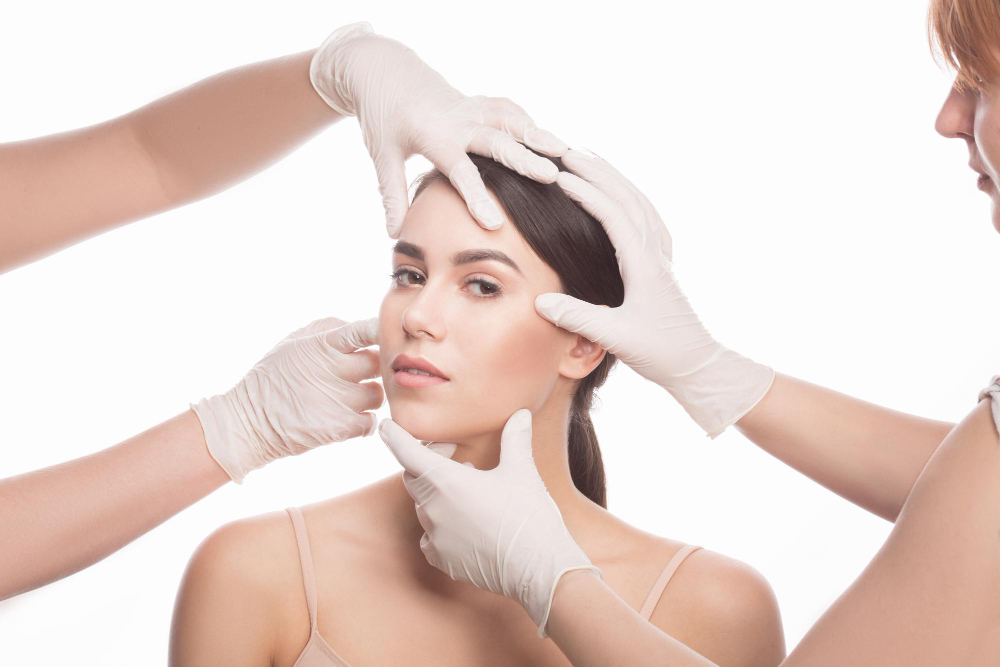
Facial ageing is a natural process that can gradually change the appearance of the cheeks, jawline, and neck. Over time, the skin may lose elasticity, facial tissues may shift, and deeper folds can become more noticeable. For some people, these changes lead them to explore cosmetic procedures that address visible signs of ageing.
A facelift is a surgical procedure designed to improve facial contours by repositioning underlying tissues and removing selected excess skin. Depending on the patient's needs, it may focus on the lower face, jawline, or broader facial areas. Some treatment plans also involve a neck lift or other complementary procedures.
For international patients researching cosmetic surgery abroad, facelift surgery in Armenia may be an option to consider. However, choosing a destination should never replace careful research into the surgeon's qualifications, the proposed procedure, possible risks, and the availability of follow-up care.
VAROSYAN MED TOURS helps international patients explore medical travel arrangements in Armenia and coordinate practical aspects of their journey. This guide explains what patients should know before considering a facelift, including the procedure, consultation process, cost factors, recovery, and travel planning.
What Is a Facelift?
A facelift, medically known as rhytidectomy, is a cosmetic surgical procedure intended to address selected signs of ageing in the face.
Depending on the technique, the surgeon may reposition underlying tissues, improve the appearance of sagging skin, and remove excess skin to create a more defined facial contour.
A facelift may help address:
- Sagging skin around the lower face.
- Less-defined jawline contours.
- Deep folds between the nose and mouth.
- Loose skin along the lower cheeks.
- Selected signs of ageing around the mouth.
- Some visible changes associated with facial tissue descent.
A facelift does not stop the ageing process, and it cannot guarantee a specific appearance. The outcome depends on the patient's anatomy, skin condition, surgical technique, and healing.
The procedure also does not necessarily address every facial concern. For example, changes in skin texture, pigmentation, and fine lines may require different treatments.
Why Consider a Facelift in Armenia?
Armenia is one destination international patients may investigate when comparing cosmetic surgery options abroad. The suitability of treatment depends on the individual patient and the provider they choose.
Personalised surgical planning
A qualified plastic surgeon should assess facial structure, skin quality, medical history, and aesthetic goals before recommending a procedure.
The consultation should focus on what can realistically be achieved rather than promising a particular result.
Travel accessibility
Armenia's location in the South Caucasus may be convenient for some international patients. However, travel time, entry requirements, accommodation, and post-operative restrictions should all be considered before booking.
Treatment coordination
International patients may need help arranging consultations, transportation, accommodation, and follow-up appointments.
A medical tourism coordinator can assist with these practical arrangements, while medical assessments and surgical decisions remain the responsibility of qualified healthcare professionals.
Comparing treatment costs
Surgical prices can differ depending on the procedure, surgeon, facility, anaesthesia, and aftercare arrangements.
Patients should compare complete treatment plans rather than choosing a clinic based only on the lowest advertised price.
For a broader overview of travelling for treatment, read our guide to Medical Tourism in Armenia.
Who May Be a Candidate for Facelift Surgery?
A facelift may be appropriate for some adults who want to address facial sagging and have realistic expectations about cosmetic surgery.
Age alone does not determine whether someone is a suitable candidate. Facial anatomy, general health, skin condition, and personal goals are important considerations.
A surgeon may assess:
- The degree of facial skin laxity.
- Changes in the jawline and lower cheeks.
- The condition of the neck.
- General health and medical history.
- Current medications and supplements.
- Smoking or nicotine use.
- Previous facial procedures.
- Healing risks.
- Expectations about the outcome.
Some patients may be better suited to non-surgical treatments or a different surgical approach.
A responsible surgeon should explain the available alternatives and whether the expected benefits justify the risks.
Types of Facelift Procedures
There is no single facelift technique that is suitable for everyone. The recommended procedure depends on the areas being treated, the patient's anatomy, and the surgeon's assessment.
Traditional facelift
A traditional facelift addresses more extensive signs of ageing in the lower and middle portions of the face.
The surgeon may reposition underlying tissues and remove selected excess skin. The exact incision pattern and surgical technique vary.
This approach may be considered for patients with more pronounced facial sagging, but suitability must be determined during an individual consultation.
Mini facelift
A mini facelift is generally designed to address more limited changes, often around the lower face and jawline.
The extent of surgery and the results that can be achieved vary between techniques and patients.
A mini facelift is not automatically the best choice because it involves a smaller procedure. The surgeon should recommend it only when it matches the patient's anatomy and goals.
Lower facelift
A lower facelift focuses on the lower cheeks, jawline, and selected areas around the mouth.
It may be considered by patients whose main concerns involve sagging around the lower face rather than the upper facial region.
Facelift with a neck lift
Some patients have concerns involving both the jawline and the neck. In selected cases, a facelift may be combined with a neck lift to address loose skin and changes in neck contour.
Combining procedures can increase surgical complexity and recovery requirements. The surgeon should explain the additional risks before recommending this approach.
Facelift vs. Other Facial Rejuvenation Procedures
A facelift is not the only option for improving the appearance of the face. The most appropriate treatment depends on the underlying cause of the concern.
Facelift vs. Botox
Botulinum toxin injections can temporarily reduce the appearance of certain dynamic wrinkles caused by muscle movement.
A facelift addresses selected changes involving facial tissues and excess skin. These treatments serve different purposes and are not interchangeable.
Facelift vs. dermal fillers
Dermal fillers may be used to add volume or improve selected facial contours.
They do not remove excess skin or provide the same tissue repositioning as surgical facelift procedures.
Facelift vs. skin resurfacing
Skin resurfacing treatments may improve selected concerns involving texture, fine lines, or pigmentation.
A facelift primarily addresses structural changes and skin laxity. Some patients may benefit from a combination of treatments, but the plan should be developed by a qualified professional.
Facelift vs. eyelid surgery
Blepharoplasty focuses on selected concerns involving the upper or lower eyelids. A facelift targets different facial areas.
Patients should discuss their main concerns with a qualified surgeon to identify the most appropriate procedure.
What Happens During a Facelift Consultation?
A detailed consultation is essential before deciding on facelift surgery.
Medical history and health assessment
The surgeon reviews medical conditions, medications, allergies, previous procedures, and factors that may affect healing or anaesthesia.
Additional medical examinations may be required before surgery.
Facial assessment
The surgeon examines skin elasticity, tissue position, facial proportions, and the areas the patient would like to improve.
Photographs may be used for planning and comparison, with the patient's consent.
Discussion of expectations
Patients should explain what they hope to achieve and ask which changes are realistically possible.
The surgeon should also discuss the limitations of surgery, potential asymmetry, visible scarring, and the possibility that additional treatment may be needed.
Individual treatment plan
The final plan should explain the proposed procedure, anaesthesia, expected recovery, potential complications, and follow-up schedule.
For international patients, it should also specify how long they are expected to remain in Armenia.
How Is Facelift Surgery Performed?
The exact procedure depends on the technique and areas being treated.
In general, the process may include the following stages.
Step 1: Pre-operative preparation
The surgical team reviews the treatment plan and completes the necessary medical checks.
Patients receive instructions about medication, fasting, smoking, and other preparation requirements.
Do not stop prescribed medication without advice from the treating clinician.
Step 2: Anaesthesia
Facelift surgery may be performed under general anaesthesia or another appropriate anaesthesia plan, depending on the procedure and the patient's circumstances.
The surgeon and anaesthesia team determine the safest approach.
Step 3: Incisions
The surgeon makes incisions according to the planned technique. These may be placed around the ears or in other locations selected for the procedure.
The incision pattern depends on the type of facelift and the individual anatomy.
Step 4: Repositioning tissues
The surgeon adjusts underlying tissues as required and removes selected excess skin.
The objective is to improve facial contours while maintaining a natural appearance appropriate to the patient's anatomy.
Step 5: Closing the incisions
The incisions are closed using appropriate techniques. Dressings or other measures may be applied according to the surgeon's protocol.
Step 6: Post-operative monitoring
After surgery, the medical team monitors the patient's initial recovery and provides instructions about wound care, medication, activity, and follow-up.
The patient may require additional observation depending on the procedure and clinical circumstances.
How Much Does a Facelift Cost in Armenia?
The cost of facelift surgery in Armenia depends on the procedure, the patient's needs, and the clinic's pricing structure.
Factors that may affect the total cost include:
- The type of facelift.
- The complexity of the surgery.
- The surgeon's fees.
- Anaesthesia.
- Operating room and facility charges.
- Pre-operative examinations.
- Medication and dressings.
- Post-operative appointments.
- Whether a neck lift or another procedure is included.
International patients should also budget for flights, accommodation, local transportation, meals, and a possible extended stay.
What should an itemised quote include?
Before booking, request a written estimate that clearly explains what is included and which services may cost extra.
Ask whether the quotation covers the consultation, medical tests, anaesthesia, surgery, facility fees, post-operative care, and scheduled follow-up visits.
Clarify how additional medical needs or changes to the surgical plan would affect the price.
For additional budgeting information, read Medical Treatment Costs in Armenia.
What Results Can You Expect From a Facelift?
A facelift may improve selected facial contours and reduce the appearance of sagging skin. However, results vary according to anatomy, skin quality, surgical technique, and healing.
The aim is generally to improve facial appearance while maintaining proportions that look appropriate for the individual.
Patients should understand that:
- A facelift does not stop natural ageing.
- Results are not identical for every patient.
- Scars may remain visible.
- Temporary swelling and bruising can affect the early appearance.
- Perfect symmetry cannot be guaranteed.
- Additional treatments may be appropriate for concerns not addressed by surgery.
The final outcome may take several months to become clear as swelling subsides and tissues settle.
A surgeon should discuss realistic expectations before the procedure and explain which concerns may require a different treatment.
Recovery After Facelift Surgery
Recovery varies according to the extent of surgery, the patient's health, and individual healing.
Swelling, bruising, tightness, and temporary changes in sensation may occur after surgery. The surgeon should explain which symptoms are expected and which require medical attention.
The first few days
Patients may need to rest and follow instructions about head positioning, wound care, medication, and activity.
Some bruising and swelling are common during this period. Patients should avoid strenuous activities and follow the surgical team's instructions.
The first few weeks
Swelling and bruising usually improve gradually, although the timing differs between patients.
The surgeon will advise when dressings can be removed, when normal washing can resume, and when everyday activities can be restarted.
Strenuous exercise should be avoided until the treating surgeon confirms that it is appropriate.
Longer-term recovery
The appearance of the face continues to change as healing progresses. Scars may also become less noticeable over time, although they do not necessarily disappear completely.
Attend all scheduled follow-up appointments and contact the surgical team if recovery does not progress as expected.
What Are the Risks of Facelift Surgery?
Facelift surgery carries risks, even when performed by a qualified surgeon.
Potential complications include:
- Bleeding or a collection of blood under the skin.
- Infection.
- Reactions to anaesthesia.
- Delayed wound healing.
- Visible or widened scars.
- Changes in skin sensation.
- Hairline changes.
- Facial asymmetry.
- Skin irregularities.
- Nerve injury.
- Blood clots.
- Risks associated with underlying medical conditions.
The likelihood and severity of complications depend on the patient's health, the surgical technique, and other individual factors.
Patients should receive a clear explanation of the risks and the clinic's approach to managing complications.
Seek urgent medical attention if you experience sudden or rapidly increasing facial swelling, significant bleeding, severe pain, difficulty breathing, chest pain, or other concerning symptoms after surgery.
How Long Should You Stay in Armenia After a Facelift?
The recommended length of stay depends on the type of facelift, the patient's recovery, and the surgeon's follow-up requirements.
Before booking a return flight, confirm:
- How long the surgeon recommends remaining in Armenia.
- When the first post-operative examination will take place.
- Whether dressings or sutures require attention.
- When travel is considered appropriate.
- Whether additional appointments may be necessary.
- What arrangements are available if a complication occurs.
Do not plan to leave immediately after surgery simply to minimise travel costs.
Your surgeon should assess your recovery and provide individual advice about flying. The appropriate timing can differ depending on the procedure and any complications.

Preparing for Facelift Surgery in Armenia
Planning cosmetic surgery abroad requires preparation beyond booking travel and accommodation.
Before travelling
Share relevant medical information and previous surgical records with the clinic when requested.
Tell the medical team about any chronic conditions, allergies, medications, supplements, smoking, or previous facial procedures.
A remote consultation may help with initial planning, but it cannot replace the in-person examination needed to confirm whether surgery is appropriate.
Follow pre-operative instructions
Your surgeon may provide specific instructions regarding medication, smoking, alcohol, fasting, and skin care.
Follow these instructions carefully and ask for clarification if anything is unclear.
Arrange practical support
Depending on the anaesthesia and procedure, you may need someone to accompany you and assist during the early recovery period.
Arrange transportation after surgery and make sure your accommodation is suitable for resting.
Keep your schedule flexible
Additional examinations, changes to the surgical plan, or slower-than-expected recovery may affect your travel dates.
Allow sufficient time for follow-up appointments and avoid booking non-refundable travel arrangements before understanding the recommended schedule.
For further advice, read How to Plan a Medical Trip to Armenia.
How to Choose a Facelift Surgeon in Armenia
Choosing the right surgeon is one of the most important decisions when considering cosmetic surgery abroad.
Verify qualifications and experience
Ask about the surgeon's qualifications, relevant training, and experience with the specific facelift technique being proposed.
Review the consultation process
A responsible provider should conduct an appropriate assessment before recommending surgery.
Be cautious of promises of guaranteed results or recommendations made without reviewing your medical history and facial anatomy.
Understand the surgical facility
Ask where the procedure will take place, who will provide anaesthesia, what monitoring is available, and how emergencies are handled.
Discuss aftercare
Confirm how follow-up visits will be organised and whom to contact if you develop symptoms after returning home.
Compare treatment plans, not just prices
A lower price does not necessarily indicate poor quality, and a higher price does not automatically guarantee better results.
Compare the surgeon's experience, the proposed procedure, the facility, the included services, and the follow-up arrangements.
For more guidance, read How to Choose the Best Hospitals and Clinics in Armenia.
Can a Facelift Be Combined With Other Procedures?
Some patients may be candidates for a facelift combined with another cosmetic procedure. The suitability of combining treatments depends on the patient's health, surgical goals, and the additional risks involved.
Facelift and neck lift
These procedures may be combined when concerns involve both facial sagging and the neck. The surgeon should explain the expected benefits and additional recovery requirements.
Facelift and eyelid surgery
Blepharoplasty may be considered when the patient also has concerns about the upper or lower eyelids.
The procedures address different anatomical areas and should be planned according to the patient's needs.
Facelift and skin treatments
Some patients may benefit from separate treatments for skin texture, pigmentation, or fine lines.
The timing of these treatments should be discussed with the treating surgeon, especially during the healing period.
Combining procedures is not always the best option. Patient safety and realistic treatment goals should guide the decision.
How VAROSYAN MED TOURS Can Help
Organising cosmetic surgery abroad may involve several practical tasks, including communicating with healthcare providers, arranging appointments, and coordinating travel.
VAROSYAN MED TOURS helps international patients explore medical treatment options in Armenia and coordinate the non-clinical aspects of their medical journey.
Depending on the services arranged, support may include:
- Assistance communicating with healthcare providers.
- Coordination of consultations and appointments.
- Help organising accommodation and transportation.
- Guidance with treatment-related travel planning.
- Assistance coordinating practical arrangements around the expected recovery period.
The available services should be confirmed before booking. Medical evaluations, surgical recommendations, and treatment decisions remain the responsibility of qualified healthcare professionals.
Explore our medical tourism services to learn more about planning a medical visit to Armenia.
Recovering in Armenia After Facelift Surgery
Patients who remain in Armenia during recovery should prioritise rest and follow their surgeon's instructions.
A busy sightseeing schedule may not be appropriate during the early recovery period. Plan your stay around medical appointments and allow time for unexpected changes.
Once the surgeon confirms that appropriate activities are safe, you may be able to explore selected cultural attractions or enjoy a relaxed visit.
For more information about combining treatment with a suitable recovery environment, read Recovery Tourism in Armenia.
Final Thoughts: Is a Facelift in Armenia Right for You?
A facelift in Armenia may be an option for international patients researching facial rejuvenation surgery abroad. The decision should be based on an individual medical assessment, the surgeon's qualifications, realistic expectations, and a clear understanding of the risks and recovery requirements.
Before travelling, compare providers carefully, request an itemised quotation, and confirm how follow-up care will be organised.
Most importantly, choose a treatment plan that prioritises your health, safety, and individual needs rather than focusing only on price or promises of dramatic results.
Ready to Explore Facelift Surgery in Armenia?
If you are considering facial rejuvenation surgery abroad, VAROSYAN MED TOURS can help you explore the practical arrangements involved in planning a medical trip to Armenia.
Contact our team to discuss your travel requirements, learn about available coordination services, and identify the next steps for arranging a consultation with a qualified medical provider.
Start planning your medical journey: Contact VAROSYAN MED TOURS