

Obesity can affect many aspects of a person's health, mobility, and quality of life. For individuals who have struggled to achieve sustainable weight loss through lifestyle changes and medical treatment, bariatric surgery may be one option to consider.
Gastric sleeve surgery, also known as sleeve gastrectomy, is a weight-loss procedure that reduces the size of the stomach. It helps patients feel full sooner and can influence appetite and eating habits.
Armenia may be an option for international patients exploring bariatric treatment abroad. With appropriate medical assessment and careful planning, patients can organize consultations, treatment, and postoperative support.
In this guide, VAROSYAN MED TOURS explains what international patients should know about gastric sleeve surgery in Armenia, including eligibility, preparation, recovery, risks, and treatment costs.
What Is Gastric Sleeve Surgery?
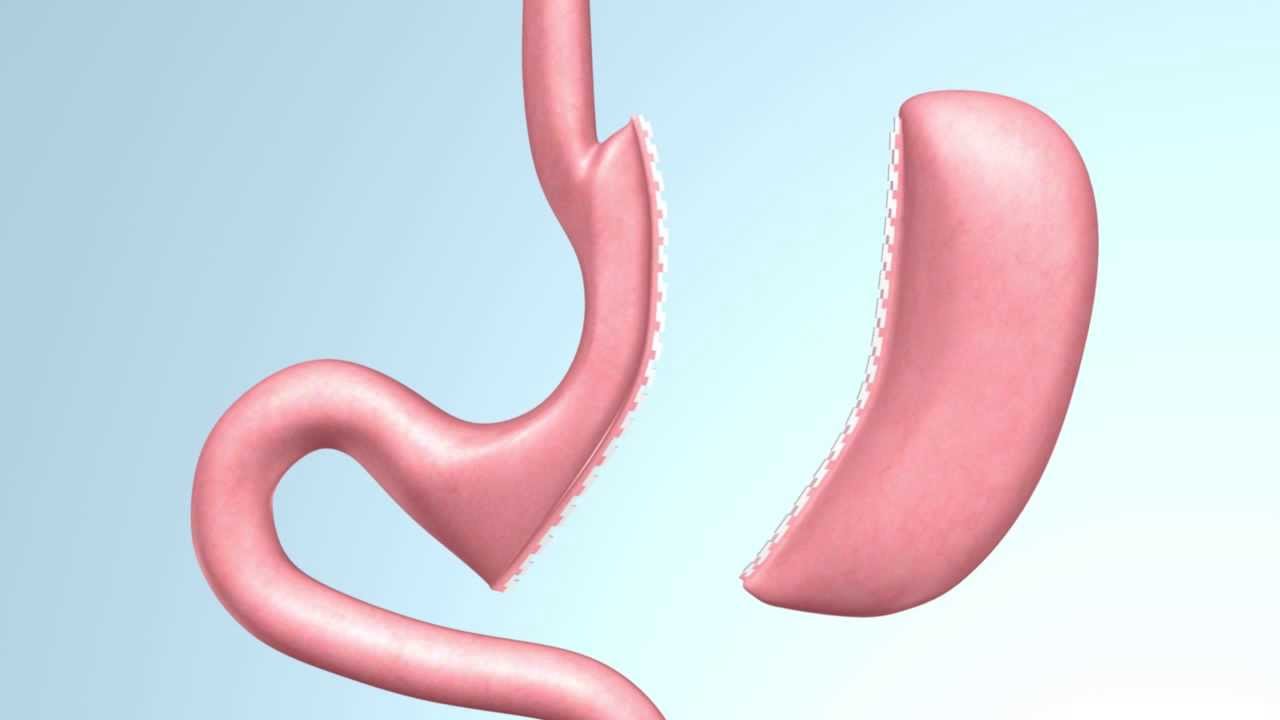
Gastric sleeve surgery is a type of bariatric procedure in which a surgeon removes a substantial portion of the stomach, creating a smaller, tube-shaped stomach.
The procedure has two main effects:
- Reduced stomach capacity: Patients generally feel full after eating smaller portions.
- Changes in appetite-related hormones: Removing part of the stomach can affect hormones involved in hunger and appetite.
Unlike gastric bypass, sleeve gastrectomy does not reroute the intestines. However, it permanently changes the stomach, so patients need to understand the long-term dietary and lifestyle requirements before choosing surgery.
Who May Be a Candidate for Gastric Sleeve Surgery?
Gastric sleeve surgery is not suitable for everyone. Eligibility depends on several factors, including body mass index (BMI), obesity-related health conditions, previous weight-loss attempts, and overall medical condition.
A bariatric specialist may evaluate patients who:
- Have obesity that significantly affects their health.
- Have not achieved sufficient long-term results with non-surgical weight-management approaches.
- Have obesity-related conditions such as type 2 diabetes, high blood pressure, or sleep apnea.
- Are medically suitable for surgery and anesthesia.
- Understand the importance of long-term dietary changes and follow-up care.
BMI is one factor used during assessment, but it should not be the only consideration. Current professional guidelines may recommend metabolic and bariatric surgery for people with different BMI levels depending on their health circumstances.
A specialist must evaluate each patient individually and explain whether gastric sleeve surgery or another treatment is appropriate.
Benefits of Gastric Sleeve Surgery
For appropriately selected patients, gastric sleeve surgery can support significant and sustained weight loss.
Potential benefits may include:
Reduced Hunger and Smaller Portions
The smaller stomach capacity helps patients feel full sooner. Hormonal changes may also reduce appetite in some individuals.
Improvement in Obesity-Related Conditions
Weight loss after surgery may improve certain health conditions, including type 2 diabetes, high blood pressure, sleep apnea, and joint-related problems.
The extent of improvement varies from person to person, and surgery does not guarantee that these conditions will disappear.
Improved Mobility
Reducing excess body weight may make walking, exercising, and performing everyday activities easier for some patients.
Long-Term Weight Management
Gastric sleeve surgery can provide an important tool for long-term weight management. However, maintaining results requires ongoing dietary habits, physical activity, and medical follow-up.
How Is Gastric Sleeve Surgery Performed?
Gastric sleeve surgery is usually performed using a minimally invasive laparoscopic technique.
The procedure generally includes several stages.
1. Anesthesia
The patient receives general anesthesia and remains asleep during the operation.
2. Small Incisions
The surgeon makes several small incisions in the abdomen to introduce a camera and specialized surgical instruments.
3. Stomach Reduction
A large portion of the stomach is removed using surgical stapling instruments. The remaining stomach forms a narrow sleeve.
4. Safety Assessment
The surgeon checks the surgical area and staple line for potential problems.
5. Closure
The instruments are removed, and the small incisions are closed.
The operation commonly takes around one to two hours, although the duration depends on the patient's anatomy and the complexity of the procedure.
The exact surgical technique and hospital stay should be discussed with the treating team.
Preparing for Gastric Sleeve Surgery in Armenia
Preparation is an essential part of bariatric treatment. Before surgery, patients need a detailed assessment to determine whether the procedure is medically appropriate.
The preparation process may include:
- Consultation with a bariatric surgeon.
- Medical history review and physical examination.
- Blood tests and other laboratory investigations.
- Abdominal imaging when indicated.
- Assessment of heart and lung health.
- Nutritional evaluation.
- Psychological assessment when appropriate.
- Anesthesia consultation.
- Review of current medications and existing medical conditions.
Some patients may be asked to follow a specific dietary plan before surgery to reduce liver size and help make the procedure safer.
Patients should inform their medical team about all medications, supplements, allergies, previous operations, and existing health conditions.
Recovery After Gastric Sleeve Surgery
Recovery takes place in stages. Patients must follow their surgeon's instructions and gradually return to normal activities.
Immediately After Surgery
Patients are monitored in the hospital while the medical team evaluates pain, hydration, mobility, and potential complications.
Walking may begin relatively early under medical supervision to support recovery and reduce the risk of blood clots.
The hospital stay varies depending on the patient's condition and the hospital's protocol.
The First Few Weeks
Patients follow a gradual dietary progression, usually moving through several stages:
- Clear liquids.
- Full liquids.
- Pureed foods.
- Soft foods.
- Gradual introduction of regular foods.
The exact schedule varies, and patients should follow the plan provided by their bariatric team.
Eating slowly, taking small portions, and drinking sufficient fluids are important parts of recovery.
Long-Term Recovery
Long-term recovery involves developing new eating habits and maintaining regular medical follow-up.
Patients may need:
- Nutritional counseling.
- Regular monitoring of vitamin and mineral levels.
- Prescribed supplements.
- Gradual introduction of physical activity.
- Follow-up consultations with the bariatric team.
Some patients require lifelong vitamin and mineral supplementation. The medical team should determine the appropriate supplements and monitoring schedule.
Nutrition After Gastric Sleeve Surgery
Nutrition plays a major role in long-term results.
Because the stomach becomes smaller, patients need to prioritize nutrient-rich foods and maintain adequate protein intake.
General nutritional recommendations may include:
- Eating small meals throughout the day.
- Prioritizing protein-rich foods.
- Drinking water regularly between meals.
- Eating slowly and chewing food thoroughly.
- Avoiding foods and drinks that cause discomfort.
- Limiting sugary drinks and highly processed foods.
- Following the prescribed vitamin and mineral supplementation plan.
Patients should work with a qualified dietitian who has experience in bariatric nutrition.
Poor nutrition, dehydration, and vitamin deficiencies can develop if postoperative instructions are not followed.
Possible Risks and Complications
Gastric sleeve surgery is a major operation and carries potential risks. Patients should discuss these risks with their surgeon before deciding to proceed.
Possible complications include:
- Bleeding.
- Infection.
- Blood clots.
- Leakage from the stomach staple line.
- Narrowing or obstruction of the stomach.
- Gastroesophageal reflux or worsening heartburn.
- Nutritional deficiencies.
- Dehydration.
- Nausea or vomiting.
- Need for additional treatment or revision surgery.
Long-term complications can also occur. Some patients experience inadequate weight loss or regain weight over time.
Patients should seek urgent medical attention if they develop severe abdominal pain, persistent vomiting, fever, difficulty breathing, chest pain, or signs of dehydration.
How Much Does Gastric Sleeve Surgery Cost in Armenia?
The total cost of gastric sleeve surgery in Armenia depends on the patient's medical needs, the hospital, and the treatment plan.
Factors that may influence the price include:
- Bariatric surgeon's fees.
- Hospital and operating room costs.
- Anesthesia.
- Preoperative examinations.
- Laboratory tests and imaging.
- Hospital accommodation.
- Medication and postoperative monitoring.
- Nutritional consultations.
- Follow-up appointments.
- Travel and accommodation expenses.
Patients should request an individualized estimate after their medical records have been reviewed.
Before confirming treatment, it is important to ask whether the quoted price includes preoperative tests, hospital accommodation, medication, and postoperative consultations.
For a broader overview of medical expenses, read our article about medical treatment costs in Armenia.
Why Consider Armenia for Bariatric Treatment?
When choosing a destination for surgery abroad, patients should evaluate medical qualifications, hospital facilities, communication, treatment costs, and postoperative support.
Armenia may be considered by international patients looking for coordinated medical care and accessible travel arrangements.
Medical Consultation and Treatment Planning
A proper medical assessment helps determine whether gastric sleeve surgery is appropriate and whether another treatment option may be more suitable.
Patients should receive clear information about the procedure, expected results, possible complications, and long-term responsibilities.
Personalized Coordination
Organizing treatment abroad involves more than scheduling an operation. Patients may need assistance with medical records, consultations, transportation, accommodation, and follow-up appointments.

Access to Additional Medical Services
Patients may also need consultations with nutritionists, endocrinologists, psychologists, or other specialists as part of their bariatric care.
The availability of these services should be confirmed with the selected medical provider.
How to Choose a Bariatric Surgeon and Clinic
Choosing the right medical team is one of the most important decisions when considering gastric sleeve surgery abroad.
Before selecting a clinic in Armenia, international patients should ask about:
- The surgeon's qualifications and bariatric surgery experience.
- The number and types of bariatric procedures performed.
- Hospital accreditation and surgical facilities.
- Anesthesia and emergency care arrangements.
- Infection prevention procedures.
- Nutritional counseling availability.
- Postoperative monitoring.
- Long-term follow-up arrangements.
- Management of possible complications.
Patients should also clarify who will provide follow-up care after they return home.
A reliable treatment plan should include clear information about both the operation and the long-term care required afterward.
Traveling to Armenia for Gastric Sleeve Surgery
International patients should plan their trip carefully because bariatric surgery requires recovery and follow-up.
A typical medical journey may involve:
Before traveling: The patient shares medical records, previous test results, and relevant health information for an initial review.
Initial consultation: The bariatric specialist evaluates the patient and discusses treatment options.
Preoperative assessment: Required examinations and consultations are completed.
Surgery: The patient undergoes the operation and receives hospital monitoring.
Early recovery: The patient follows the medical team's instructions regarding diet, hydration, mobility, and medication.
Follow-up: The surgeon evaluates recovery and provides guidance about further care and travel.
Patients should not arrange an early return flight without medical approval. The appropriate travel date depends on recovery progress and the treating surgeon's assessment.
For more information, read our guide on planning a medical trip to Armenia.
How VAROSYAN MED TOURS Can Help
Arranging bariatric treatment in another country can involve several practical challenges. Patients may need help coordinating medical consultations, transferring records, arranging accommodation, and planning their stay.
VAROSYAN MED TOURS assists international patients with organizing their medical journeys in Armenia.
Depending on individual needs, our coordination support may include:
- Helping arrange consultations with relevant medical specialists.
- Coordinating the transfer of medical records.
- Assisting with appointment scheduling.
- Supporting travel and accommodation arrangements.
- Helping organize communication with healthcare providers.
- Assisting with postoperative appointment coordination.
Diagnosis, medical recommendations, eligibility decisions, and surgical treatment are the responsibility of qualified healthcare professionals.
Our aim is to make the organizational side of medical travel clearer and easier to manage.
Final Thoughts
Gastric sleeve surgery may be an option for people living with obesity who meet the medical criteria for bariatric treatment. It can support weight loss and improve certain obesity-related health conditions, but it also requires long-term dietary changes, nutritional monitoring, and medical follow-up.
For international patients considering gastric sleeve surgery in Armenia, the most important steps are choosing a qualified medical team, understanding the potential risks, and planning recovery carefully.
VAROSYAN MED TOURS can help coordinate the practical arrangements of your medical journey and connect you with relevant healthcare services in Armenia.
Contact VAROSYAN MED TOURS to discuss your medical travel plans and explore bariatric treatment options in Armenia.