

Hip replacement surgery is a common orthopedic procedure designed to relieve persistent hip pain, restore mobility, and improve quality of life. For people experiencing severe joint damage, arthritis, or limited movement, the procedure can offer an opportunity to return to everyday activities with greater comfort.
Armenia is one destination international patients may consider when exploring orthopedic treatment abroad. With medical coordination, access to specialist consultations, and the possibility of combining treatment with a planned stay, patients can organize their healthcare journey with professional support.
In this guide, VAROSYAN MED TOURS explains what international patients should know about hip replacement in Armenia, including treatment options, preparation, recovery, costs, and travel arrangements.
What Is Hip Replacement Surgery?
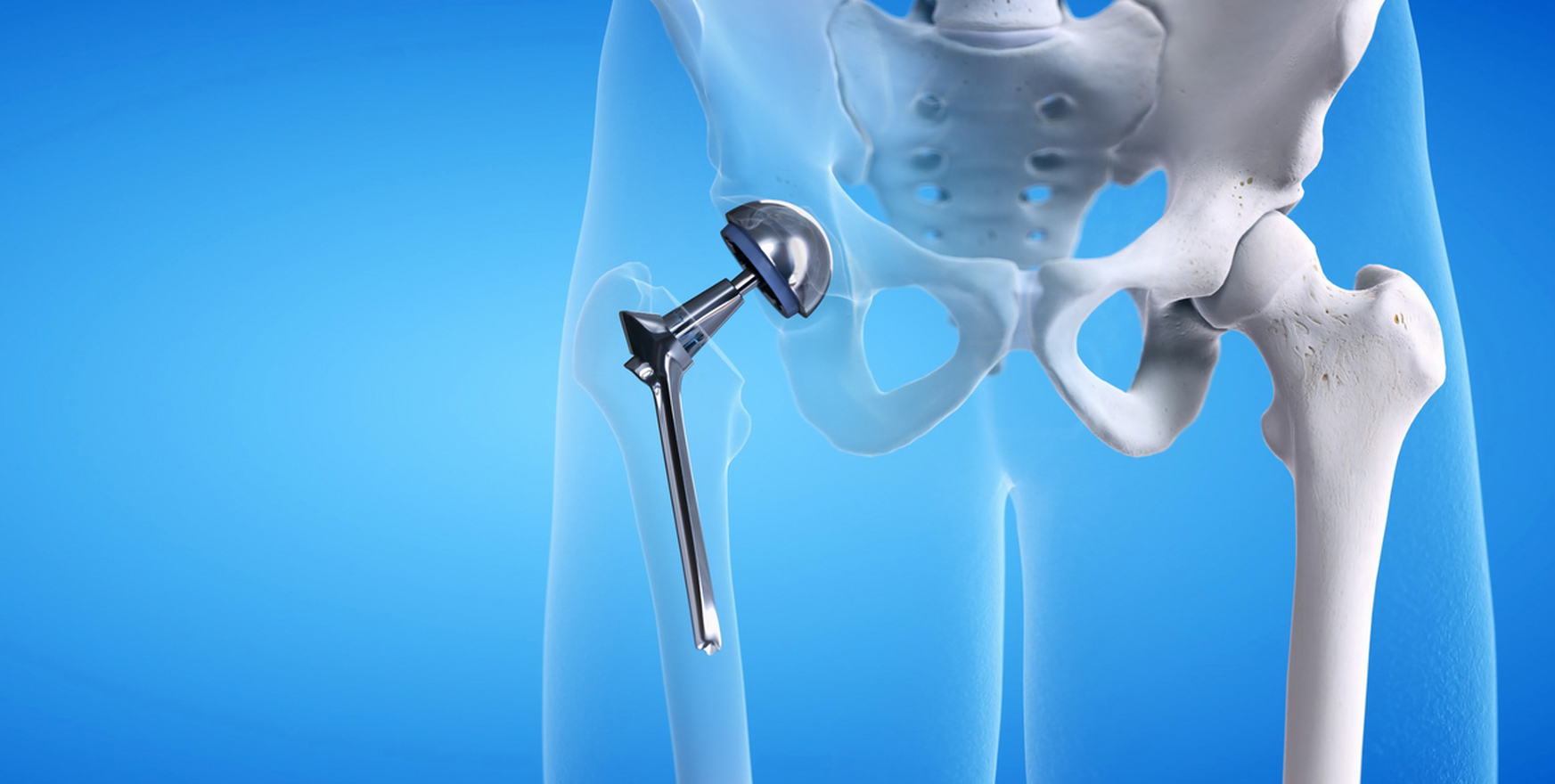
Hip replacement, also known as hip arthroplasty, is an operation in which damaged parts of the hip joint are replaced with artificial components called implants or prostheses.
The hip is a ball-and-socket joint. The rounded top of the thigh bone fits into a socket in the pelvis, allowing the leg to move in different directions. When the joint becomes severely damaged, movement may become painful and difficult.
During surgery, the damaged joint surfaces are removed and replaced with artificial components designed to support movement and reduce pain.
Hip replacement may be recommended when non-surgical treatments no longer provide sufficient relief.
Who May Need a Hip Replacement?
An orthopedic specialist may consider hip replacement for patients experiencing significant joint damage or persistent symptoms that affect daily life.
Common reasons include:
- Osteoarthritis: The gradual breakdown of cartilage in the hip joint.
- Rheumatoid arthritis: An inflammatory condition that can damage joint structures.
- Avascular necrosis: Reduced blood supply to the femoral head, which may cause bone tissue to deteriorate.
- Hip fractures: Certain serious fractures may require joint replacement, particularly in older adults.
- Post-traumatic arthritis: Joint damage that develops after an injury.
- Congenital or developmental hip conditions: Structural problems that can lead to early joint deterioration.
Typical symptoms include persistent groin or hip pain, stiffness, difficulty walking, discomfort when climbing stairs, and reduced range of motion.
Not every patient with hip pain needs surgery. A medical evaluation is necessary to determine the cause of symptoms and identify the most appropriate treatment.
Types of Hip Replacement Procedures
The recommended procedure depends on the patient's age, bone condition, diagnosis, activity level, and overall health.
Total Hip Replacement
Total hip replacement is the most common type of hip arthroplasty. Both the damaged femoral head and the socket are replaced with artificial components.
It is often considered for patients with advanced arthritis or extensive joint damage.
Partial Hip Replacement
In partial hip replacement, only the femoral head is replaced while the natural socket remains.
This procedure may be appropriate for selected patients, particularly in certain hip fracture cases.
Hip Resurfacing
Hip resurfacing is a procedure in which the damaged surface of the femoral head is covered with a metal cap rather than removing the entire femoral head.
It is suitable only for carefully selected patients and is not recommended for everyone.
The orthopedic surgeon determines which technique offers the most appropriate balance of expected benefits and potential risks.
How Is Hip Replacement Surgery Performed?
The exact surgical approach varies depending on the patient's condition and the surgeon's treatment plan. Generally, the procedure involves several stages.
1. Anesthesia
The patient receives general or regional anesthesia, depending on the medical assessment and surgical plan.
2. Access to the hip joint
The surgeon makes an incision to reach the damaged joint. Different surgical approaches may be used.
3. Removal of damaged structures
The damaged femoral head is removed, and the socket is prepared for the artificial components during total hip replacement.
4. Implant placement
The surgeon positions the artificial socket and femoral components. The implants may be fixed using bone cement or designed to allow bone to grow onto their surfaces.
5. Final assessment and closure
The surgeon checks joint stability and movement before closing the incision.
The operation commonly takes around one to two hours, although the duration can vary depending on the complexity of the case.
Preparing for Hip Replacement in Armenia
Proper preparation is important for patients traveling internationally for orthopedic surgery. Before confirming a treatment date, patients should provide their medical information to the treating team.
Preparation may include:
- Orthopedic consultation and physical examination.
- X-rays or other imaging studies.
- Review of previous medical records and treatments.
- Blood tests and other preoperative investigations.
- Assessment of heart, lung, and general health when indicated.
- Review of current medications and allergies.
- Anesthesia consultation.
- Discussion of rehabilitation and postoperative care.
Patients should inform their doctors about chronic conditions, previous surgeries, medications, and any history of blood clots or infections.
It is also important to discuss how long the patient should remain in Armenia after surgery. The recommended stay depends on the procedure, recovery progress, and the surgeon's assessment.
Recovery After Hip Replacement Surgery
Recovery is an important part of successful treatment. Although many patients begin rehabilitation shortly after surgery, the timeline differs depending on their health, procedure, and individual progress.
The First Days After Surgery
Patients are usually monitored in the hospital after the operation. Pain management, wound care, and prevention of complications are important priorities.
Under professional supervision, patients may begin standing and walking with assistance, sometimes on the day of surgery or the following day.
A walker or crutches may be recommended during the initial recovery period.
The First Few Weeks
During the first several weeks, patients gradually increase their activity levels according to the rehabilitation plan.
Recovery may involve:
- Guided physiotherapy exercises.
- Walking short distances with support.
- Learning safe ways to sit, stand, and move.
- Following wound-care instructions.
- Attending medical follow-up appointments.
Patients should follow the surgeon's instructions regarding weight-bearing, sleeping positions, and movement restrictions.
Long-Term Recovery
Many patients experience gradual improvements in mobility and comfort over several months. However, complete recovery varies, and some people require more time to regain strength and confidence when walking.
Physiotherapy, regular follow-up, and maintaining a healthy lifestyle can support rehabilitation.
Possible Risks and Complications
Like any major operation, hip replacement carries potential risks. Patients should discuss these possibilities with their orthopedic surgeon before making a decision.
Potential complications include:
- Infection around the surgical site or implant.
- Blood clots in the legs or lungs.
- Bleeding.
- Joint dislocation.
- Differences in leg length.
- Nerve or blood vessel injury.
- Implant loosening or wear over time.
- Persistent pain or limited mobility.
The medical team may recommend preventive measures, including medication, early movement, compression devices, and rehabilitation.
Patients should seek urgent medical attention if they experience sudden shortness of breath, chest pain, significant leg swelling, fever, worsening wound redness, or unusual discharge from the incision.
How Much Does Hip Replacement Cost in Armenia?
The cost of hip replacement in Armenia depends on several factors. There is no single price that applies to every patient because treatment requirements and surgical complexity differ.
Factors that may influence the total cost include:
- Type of hip replacement procedure.
- Type and manufacturer of the implant.
- Hospital and operating room fees.
- Surgeon's and anesthesiologist's fees.
- Preoperative examinations and diagnostic tests.
- Length of hospital stay.
- Medication and postoperative care.
- Rehabilitation and physiotherapy.
- Accommodation and travel expenses.
Patients should request an individualized treatment estimate after their medical records have been reviewed.
It is also important to clarify what the quoted price includes and whether additional treatment or an extended hospital stay may involve extra costs.
For more information about medical expenses, read our guide to medical treatment costs in Armenia.

Why Consider Armenia for Hip Replacement?
Patients researching treatment abroad often compare medical expertise, treatment costs, communication, travel arrangements, and access to follow-up care.
Armenia may be considered by international patients for several reasons.
Personalized Medical Coordination
Organizing surgery in another country can involve multiple steps. Medical coordination can help patients arrange consultations, share medical records, understand treatment recommendations, and plan appointments.
Treatment Planning
Patients should have the opportunity to discuss their diagnosis, surgical options, implant selection, expected recovery, and possible risks with the treating specialist before proceeding.
Travel Accessibility
Armenia can be a convenient destination for some international patients, depending on their country of residence and available travel connections.
Support During the Medical Journey
Having assistance with communication, accommodation arrangements, transportation, and appointments can make the experience of receiving treatment abroad easier to manage.
Patients should independently review the qualifications of their surgeon, the hospital's facilities, and the proposed treatment plan before making a decision.
How to Choose the Right Orthopedic Surgeon and Clinic
Choosing a qualified medical team is one of the most important steps when considering hip replacement abroad.
Before selecting a clinic in Armenia, international patients should consider:
- The surgeon's qualifications and experience in hip replacement.
- The hospital's orthopedic surgery facilities.
- The availability of diagnostic imaging and laboratory services.
- The type and documentation of the proposed implant.
- Infection prevention and patient safety procedures.
- Access to physiotherapy and rehabilitation.
- Emergency care arrangements.
- Postoperative monitoring and follow-up options.
Patients should also ask who will manage their care after they return home and how medical records, imaging, and rehabilitation recommendations will be provided.
You can learn more about evaluating healthcare providers in our article on choosing hospitals and clinics in Armenia.
Traveling to Armenia for Hip Replacement
International patients should plan their medical trip carefully, particularly because hip replacement requires postoperative recovery and follow-up.
A typical medical journey may include:
Before arrival: The patient shares medical records, imaging, and relevant health information for an initial review.
Initial consultation: The orthopedic specialist evaluates the patient and confirms whether surgery is appropriate.
Preoperative preparation: Required examinations and consultations are completed.
Surgery and hospital stay: The patient undergoes the procedure and receives postoperative monitoring.
Rehabilitation: Physiotherapy and mobility training begin according to the medical team's recommendations.
Follow-up and departure planning: The surgeon assesses recovery and advises when travel may be appropriate.
Patients should not book a return flight based only on a general recovery estimate. The treating doctor should confirm whether the patient is medically fit to travel.
For additional planning advice, read our guide on how to plan a medical trip to Armenia.
How VAROSYAN MED TOURS Can Help
Planning orthopedic treatment in another country can feel complicated, especially when patients need to coordinate medical consultations, travel, accommodation, and follow-up appointments.
VAROSYAN MED TOURS supports international patients throughout the medical travel planning process.
Depending on the patient's needs, assistance may include:
- Connecting patients with relevant medical specialists.
- Helping organize consultations and medical appointments.
- Coordinating the transfer of medical records.
- Assisting with travel and accommodation arrangements.
- Supporting communication during the treatment journey.
- Helping organize postoperative appointments and rehabilitation arrangements.
Medical decisions, diagnosis, treatment recommendations, and surgical procedures remain the responsibility of qualified healthcare professionals.
Our goal is to help patients understand the process and organize their medical journey in Armenia with greater confidence.
Final Thoughts
Hip replacement can be an important treatment option for people whose hip joint damage causes persistent pain and limits everyday movement. However, the decision to undergo surgery should be based on a thorough medical assessment and a clear understanding of the benefits, risks, and recovery requirements.
For international patients considering hip replacement in Armenia, careful planning and selecting an appropriate medical team are essential.
VAROSYAN MED TOURS can help coordinate the practical aspects of your medical journey, from the initial consultation to travel and treatment arrangements.
Contact VAROSYAN MED TOURS to discuss your medical travel plans and explore the available options for orthopedic treatment in Armenia.