

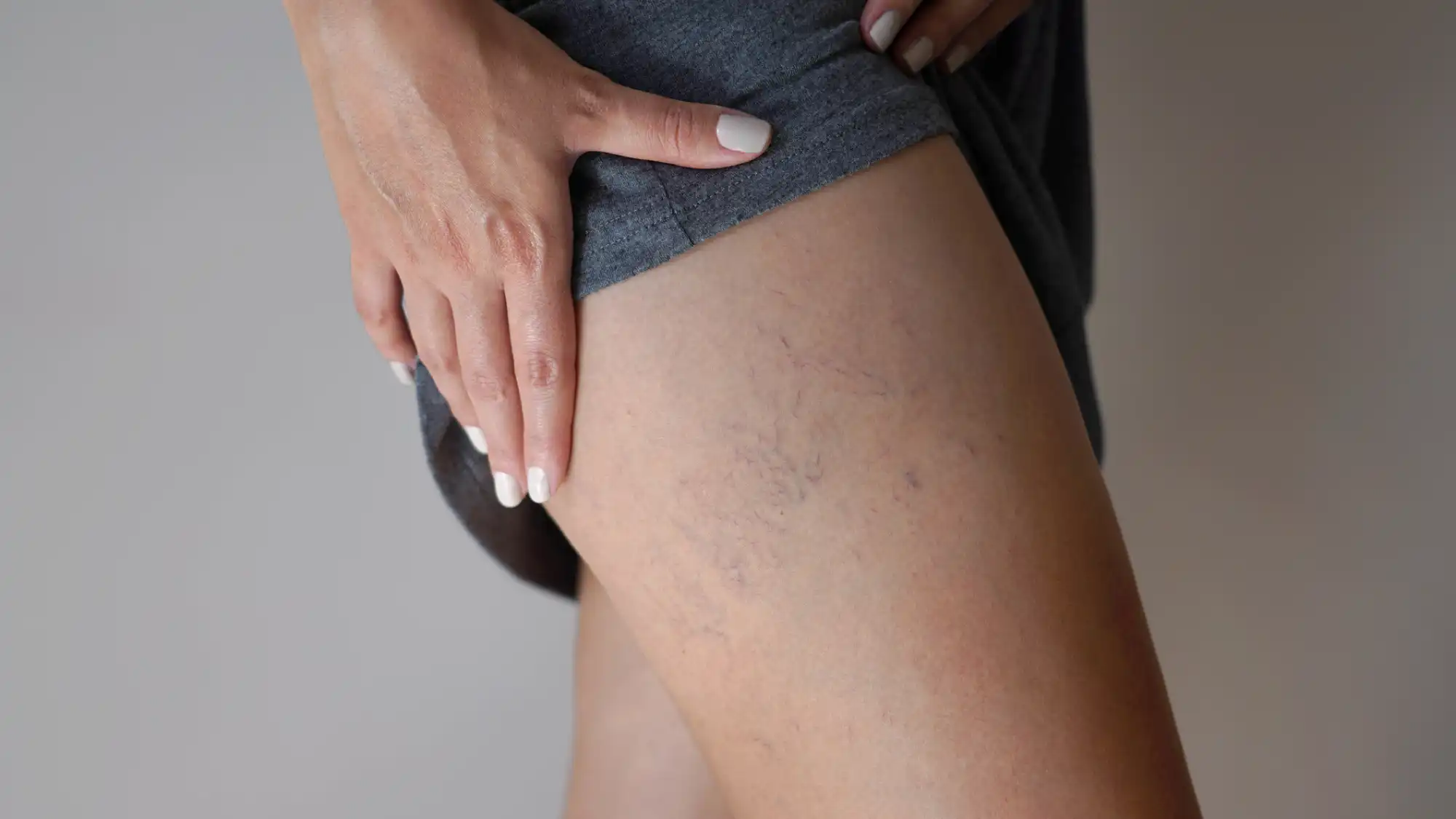
Varicose veins are enlarged, twisted veins that commonly appear on the legs. They can cause visible changes in the skin, discomfort, swelling, heaviness, and, in some cases, more serious complications. Although some people seek treatment primarily for cosmetic reasons, others require medical care because their symptoms affect everyday activities.
For international patients exploring treatment abroad, Armenia may be a destination worth considering. Patients can research available vascular specialists, compare treatment approaches, and arrange consultations to understand which options may be appropriate.
VAROSYAN MED TOURS helps international patients explore medical treatment options in Armenia and coordinate the practical aspects of their medical journey.
This guide explains the causes of varicose veins, available treatment methods, preparation, recovery, cost factors, and what to consider when selecting a healthcare provider in Armenia.
What Are Varicose Veins?
Varicose veins develop when veins become enlarged and twisted, usually because their valves do not function properly. Healthy vein valves help direct blood toward the heart. When these valves weaken or become damaged, blood can flow backward and accumulate in the veins.
This increased pressure can cause veins to become enlarged and visible beneath the skin.
Varicose veins most commonly affect the legs because blood must travel upward against gravity. They can range from small visible veins to larger veins associated with discomfort and skin changes.
Common Symptoms of Varicose Veins
Symptoms vary from person to person. Some individuals have visible veins without noticeable discomfort, while others experience symptoms that interfere with daily activities.
Common symptoms include:
- Enlarged, twisted, or bulging veins.
- A feeling of heaviness in the legs.
- Aching or throbbing discomfort.
- Swelling around the ankles and lower legs.
- Itching around affected veins.
- Muscle cramps, particularly at night.
- Skin discoloration near the ankles.
- Changes in skin texture or thickness.
In more advanced cases, chronic venous disease can contribute to skin inflammation, bleeding, or venous ulcers.
Sudden swelling or pain in one leg, particularly when accompanied by warmth or redness, requires prompt medical assessment because it may indicate a blood clot rather than uncomplicated varicose veins.
What Causes Varicose Veins?
Varicose veins are associated with weakened vein walls and malfunctioning valves. Several factors can increase the likelihood of developing them.
Genetics
A family history of varicose veins can increase the likelihood of developing the condition. Some people inherit a tendency toward weaker vein walls or valve problems.
Age
As people get older, vein walls and valves may gradually lose elasticity. This can make it more difficult for blood to return efficiently toward the heart.
Pregnancy
Pregnancy can increase blood volume and place additional pressure on the veins in the legs and pelvis. Hormonal changes may also affect vein walls.
Some varicose veins that develop during pregnancy improve after childbirth, although others may remain.
Prolonged Sitting or Standing
Remaining in one position for extended periods can make circulation in the legs less efficient. People whose work involves long periods of standing or sitting may experience more noticeable symptoms.
Excess Body Weight
Additional body weight can increase pressure on the veins in the lower body and contribute to venous circulation problems.
Understanding the contributing factors can help patients discuss prevention and symptom management with a healthcare professional.
Why Consider Varicose Vein Treatment in Armenia?
Patients researching vascular treatment abroad often compare medical expertise, available technologies, treatment costs, clinic facilities, and follow-up arrangements.
Armenia may be worth exploring for patients seeking vascular consultations and treatment options. However, the quality and suitability of treatment depend on the individual specialist, clinic, diagnostic assessment, and proposed procedure.
Individualized Vascular Assessment
Not every visible vein requires medical intervention. A vascular specialist should evaluate symptoms, medical history, physical findings, and circulation before recommending treatment.
The specialist may use ultrasound imaging to assess blood flow and identify malfunctioning valves or affected veins.
Different Treatment Approaches
Depending on the patient's condition, treatment may involve conservative management, minimally invasive procedures, or surgery.
The appropriate method depends on the location and size of the affected veins, the severity of venous disease, and the patient's overall health.
Medical Travel Coordination
Traveling for treatment requires organizing consultations, examinations, appointments, accommodation, and transportation.
VAROSYAN MED TOURS can help international patients coordinate the practical arrangements involved in exploring treatment in Armenia. Patients should confirm the exact services available before booking their trip.
To learn more about healthcare opportunities in the country, explore our guide to medical tourism in Armenia.
How Are Varicose Veins Diagnosed?
A correct diagnosis is important because visible veins do not always indicate the severity of an underlying circulation problem.
Medical Consultation
The vascular specialist asks about symptoms, their duration, family history, previous treatments, medications, and other health conditions.
The doctor may examine the legs while the patient is standing to assess visible veins, swelling, and skin changes.
Duplex Ultrasound Examination
Duplex ultrasound is commonly used to evaluate venous circulation.
It combines ultrasound imaging with Doppler technology to assess blood flow through the veins. The examination can help identify:
- Blood flow direction.
- Venous valve dysfunction.
- Reflux in affected veins.
- Possible venous obstruction.
- The location and extent of venous abnormalities.
The results help the specialist determine whether treatment is necessary and which approach may be appropriate.
Varicose Vein Treatment Options
There is no single treatment suitable for every patient. The recommended approach depends on the severity of symptoms, ultrasound findings, affected veins, and individual medical circumstances.
Compression Therapy
Compression stockings apply controlled pressure to the legs and may help improve venous circulation.
They can reduce swelling and discomfort in some patients, particularly when symptoms worsen after prolonged standing or sitting.
Compression therapy does not remove varicose veins or correct the underlying valve problem. A healthcare professional should advise whether compression is appropriate and which type is suitable.
Sclerotherapy
Sclerotherapy is a minimally invasive procedure in which a medical solution is injected into selected veins.
The solution causes the treated vein to close gradually. Blood is then redirected through other functioning veins.
Sclerotherapy is commonly used for smaller varicose veins and spider veins. The number of sessions depends on the size, number, and location of the affected veins.
Endovenous Laser Ablation
Endovenous laser ablation is a minimally invasive technique used to close certain malfunctioning veins.
A thin catheter is inserted into the affected vein under ultrasound guidance. Laser energy heats the vein wall, causing the vein to close.
Blood is redirected through healthier veins. The procedure is generally performed using local anesthesia, although arrangements vary.
Radiofrequency Ablation
Radiofrequency ablation uses controlled heat delivered through a catheter to close an affected vein.
Like laser treatment, it is performed using imaging guidance and is intended to reduce abnormal blood flow through the treated vein.
The specialist determines whether radiofrequency or laser treatment is more appropriate based on the patient's anatomy and ultrasound findings.
Surgical Treatment
Some patients may require surgical procedures such as ligation and stripping or other forms of vein removal.
Surgery may be considered when less invasive approaches are unsuitable or when the patient's venous anatomy requires a different treatment strategy.
The surgeon should explain the expected benefits, recovery requirements, and potential risks before treatment.
What Happens During Varicose Vein Treatment?
The process depends on the selected procedure, but treatment generally involves several stages.
Before the Procedure
The vascular specialist reviews the ultrasound findings and confirms the treatment plan.
Patients may receive instructions about medications, eating, drinking, compression garments, and other preparation requirements.
It is important to disclose any history of blood clots, bleeding disorders, allergies, previous vein procedures, and current medications.
During the Procedure
Minimally invasive treatments are commonly performed through small skin punctures or injections.
The medical team uses ultrasound guidance when necessary to identify the target vein and perform treatment accurately.
The exact duration depends on the technique and the number of veins being treated.
After the Procedure
Patients are monitored according to the type of treatment performed.
Depending on the procedure, they may be encouraged to walk shortly afterward and may receive instructions about compression stockings, activity, medication, and follow-up ultrasound examinations.
Patients should follow their specialist's instructions rather than relying on general recovery timelines.
Recovery After Varicose Vein Treatment
Recovery varies depending on the treatment method and the extent of venous disease.
Minimally invasive procedures generally involve less recovery time than traditional surgery, but individual results differ.
After Minimally Invasive Treatment
Patients may experience temporary bruising, tenderness, tightness, or mild discomfort along the treated vein.
Walking is often encouraged when appropriate. The specialist may recommend compression stockings for a specific period.
Patients should ask when they can return to work, exercise, driving, and long-distance travel.
After Surgical Treatment
Recovery after traditional surgery may take longer. Patients can experience swelling, bruising, discomfort, and temporary restrictions on certain activities.
The surgeon provides instructions about wound care, walking, compression therapy, and follow-up appointments.
Long-Term Care
Treatment can improve symptoms and appearance, but it does not necessarily eliminate the underlying tendency to develop venous disease.
New varicose veins may appear over time, and some patients may require additional treatment.
Regular movement, maintaining a healthy weight, and avoiding prolonged periods in one position may help manage symptoms.
Risks and Possible Complications
Although many varicose vein procedures are minimally invasive, all medical interventions carry potential risks.
Possible complications include:
- Bruising and swelling.
- Temporary pain or tenderness.
- Skin discoloration.
- Inflammation along a treated vein.
- Skin burns or nerve irritation with certain procedures.
- Bleeding or infection.
- Blood clots, including deep vein thrombosis.
- Recurrent varicose veins.
- Incomplete treatment or the need for additional procedures.
The risks depend on the procedure, the patient's health, and the characteristics of the affected veins.
Patients should ask their specialist how complications are prevented, what symptoms require urgent attention, and which follow-up examinations are recommended.
Sudden shortness of breath, chest pain, or fainting requires emergency medical attention. New or rapidly worsening one-sided leg swelling or pain should also be assessed urgently.
How Much Does Varicose Vein Treatment Cost in Armenia?
The cost of varicose vein treatment in Armenia depends on the procedure, the number of affected veins, diagnostic requirements, and the complexity of the patient's condition.
Factors that may influence the total cost include:
- Initial vascular consultation.
- Duplex ultrasound examination.
- The selected treatment method.
- The number and location of affected veins.
- The number of treatment sessions.
- Anesthesia or medical supplies.
- Hospital or clinic fees.
- Compression garments and medication.
- Follow-up examinations.
- Accommodation and transportation expenses.
Patients should request an itemized treatment quotation before confirming their medical trip.
It is important to ask whether the price includes ultrasound examinations, the procedure itself, compression garments, medication, and post-treatment monitoring.
A complete treatment plan provides a clearer understanding of the expected expenses than an advertised starting price.
For broader budgeting information, read our article on medical treatment costs in Armenia.

Choosing the Right Vascular Specialist in Armenia
Choosing an appropriately qualified specialist is essential when considering varicose vein treatment abroad.
Patients should evaluate professional qualifications, diagnostic methods, treatment experience, and access to follow-up care.
Verify Professional Qualifications
Ask whether the doctor has appropriate training and experience in vascular surgery or the relevant venous treatment procedure.
The specialist should explain the diagnosis, treatment alternatives, and reasons for recommending a particular method.
Ask About Diagnostic Equipment
Duplex ultrasound plays an important role in evaluating venous disease.
Patients should understand whether ultrasound assessment is available and how the findings influence the treatment plan.
Understand the Proposed Procedure
Before treatment, ask which veins will be treated, what technique will be used, what results can realistically be expected, and whether additional sessions may be necessary.
Patients should receive clear information about potential complications and alternative options.
Confirm Follow-Up Care
Follow-up is important for assessing treatment outcomes and identifying possible complications.
International patients should ask how many appointments are required and whether follow-up examinations must be completed before returning home.
They should also establish how to contact the clinic if symptoms develop after departure.
For additional guidance, read our article on choosing hospitals and clinics in Armenia.
Traveling to Armenia for Varicose Vein Treatment
Medical travel requires planning, even when a procedure is minimally invasive.
The length of stay depends on the treatment method, the patient's medical condition, and the specialist's follow-up recommendations.
Arrange a Consultation Before Traveling
Where possible, patients should share previous ultrasound reports, medical records, and information about their symptoms before arranging travel.
A remote discussion may help with initial planning, but an in-person assessment is necessary to confirm the diagnosis and treatment plan.
Plan Your Stay
Ask how many days are needed for the consultation, procedure, and follow-up examinations.
Some patients may need more than one appointment or treatment session, so it is sensible to leave flexibility in the schedule.
Discuss Long-Distance Travel
Traveling soon after a venous procedure requires individualized medical advice.
Patients with venous disease may already have an increased risk of blood clots, and prolonged immobility during long journeys can add to that risk.
The treating specialist should determine when it is appropriate to fly and explain any necessary precautions.
For additional information, explore our guide to medical tourism safety in Armenia.
How VAROSYAN MED TOURS Can Help
Organizing medical treatment abroad involves several practical steps, including exploring treatment options, communicating with clinics, arranging appointments, and planning accommodation.
VAROSYAN MED TOURS helps international patients explore healthcare services in Armenia and coordinate the practical aspects of their medical journey.
Depending on the agreed services, assistance may include:
- Exploring available vascular treatment options.
- Coordinating consultations with healthcare providers.
- Organizing medical appointments and travel logistics.
- Arranging accommodation and transportation.
- Helping patients understand the expected schedule for treatment and follow-up.
Patients should confirm the exact services, fees, and arrangements before making travel commitments.
VAROSYAN MED TOURS provides coordination support. Diagnosis, medical recommendations, procedures, and clinical follow-up are the responsibility of qualified healthcare professionals.
Is Varicose Vein Treatment in Armenia Right for You?
Varicose vein treatment may help patients manage discomfort, improve symptoms, and address visible abnormal veins. However, the most appropriate approach depends on the underlying cause, ultrasound findings, and individual health factors.
Patients considering treatment abroad should prioritize accurate diagnosis, professional qualifications, transparent pricing, and access to follow-up care.
A consultation with a vascular specialist is the best way to determine whether conservative management, minimally invasive treatment, or surgery is appropriate.
Start Planning Your Medical Trip to Armenia
If you are considering varicose vein treatment in Armenia, VAROSYAN MED TOURS can help you explore available options and coordinate the practical arrangements of your visit.
Contact our team to discuss your needs and learn more about the coordination services available for international patients.
Visit our services page or contact VAROSYAN MED TOURS to begin planning your medical journey.